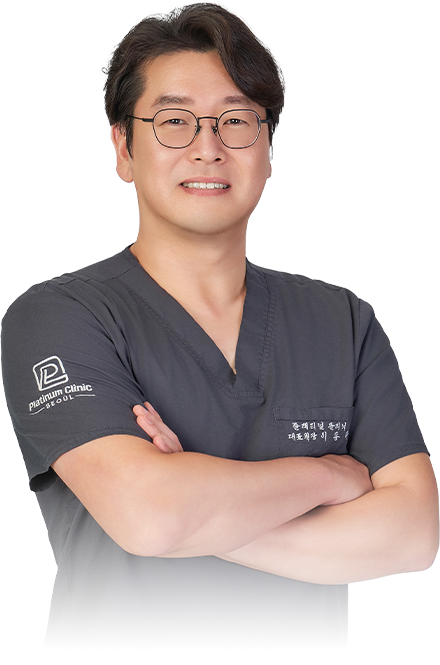
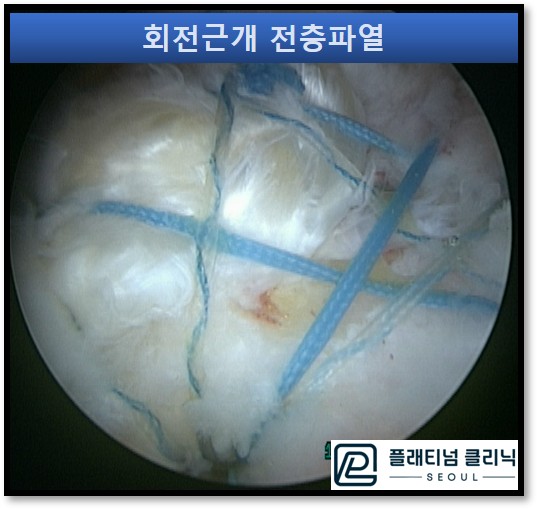
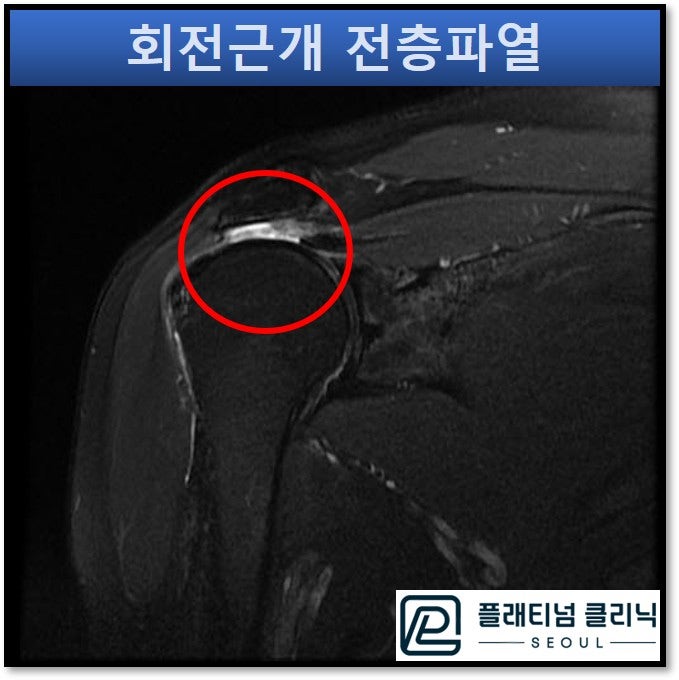
Hello. I am Dr. Dongkyu Lee, an orthopedic specialist. Recently, a 53-year-old male patient visited our clinic. He had been working as a construction foreman for over 20 years, and for the past year, his right shoulder had been in pain. He had received five rounds of injection therapy at a local orthopedic clinic, but the pain never improved. Recently, he could not even raise his arm above his head. "Doctor, I can't sleep at night because of the pain. When I lie on my side, the pain is excruciating, and I can't even put on my hard hat by myself anymore." On MRI, we confirmed a full-thickness tear of the supraspinatus tendon measuring over 3cm, with significant tendon retraction already in progress. This was a case where conservative treatment had reached its limits, and arthroscopic rotator cuff reconstruction was necessary. ---------------------------------------------- What is the rotator cuff, and why does it tear? The rotator cuff refers to four tendons (supraspinatus, infraspinatus, teres minor, and subscapularis) that wrap around the shoulder joint. These tendons securely hold the humeral head in place, enabling you to lift, rotate, and extend your arm. The problem is that these tendons wear down with age, deteriorate through repetitive use, and eventually tear. Once a tear begins, it cannot heal on its own. Over time, the torn area enlarges, the tendon retracts inward, and the muscle degenerates into fat. When this happens, surgical repair itself becomes very difficult. ---------------------------------------------- What types of arthroscopic rotator cuff reconstruction are available? The surgical approach varies depending on the size of the tear, tendon condition, and patient age. At Platinum Clinic, we select the optimal reconstruction strategy based on the pattern of the tear.
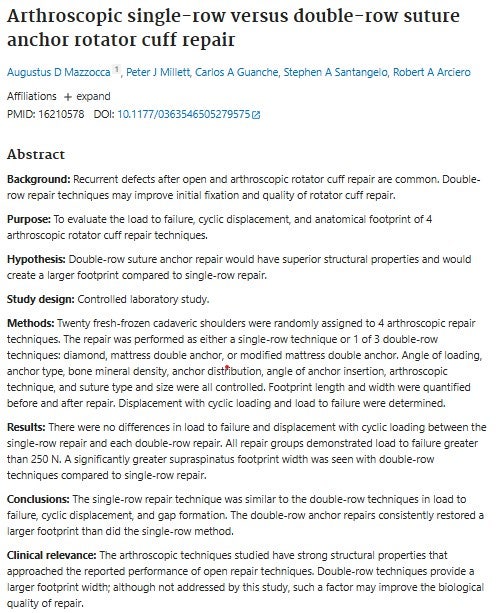
According to Mazzocca AD et al. (2005, *Am J Sports Med*), double-row repair demonstrated approximately 1.5 times greater initial fixation strength compared to single-row repair, with significantly wider tendon-bone contact area (P<0.01). The Bone Tunneling Method reduction repair at Platinum Clinic takes this principle one step further. ---------------------------------------------- Real Patient Case - "After a year of only injections, I recovered through arthroscopic reconstruction" Patient Information: 58-year-old female, homemaker, left shoulder pain for 14 months Prior treatment at other hospitals: - Orthopedic Clinic A: 3 steroid injections - temporary improvement followed by recurrence - Rehabilitation Clinic B: 10 sessions of extracorporeal shockwave therapy + physical therapy - no improvement - University Hospital C: MRI taken, told "surgery needed" - 3-month surgical wait - gave up Findings at Platinum Clinic: - MRI: Full-thickness supraspinatus tear 2.8cm, tendon retraction Patte Grade II - Partial infraspinatus tear also present - Fatty degeneration Goutallier Grade II - Subacromial bursal thickening and synovial inflammation Treatment: Arthroscopic reduction repair (Bone Tunneling Method) + bone marrow stimulation - Specialized micro-drill to create bone tunnels in the greater tuberosity - Knotless collagen suture for secure double-row fixation - Bone marrow stimulation performed with custom-made guide to induce autologous bone marrow stem cells
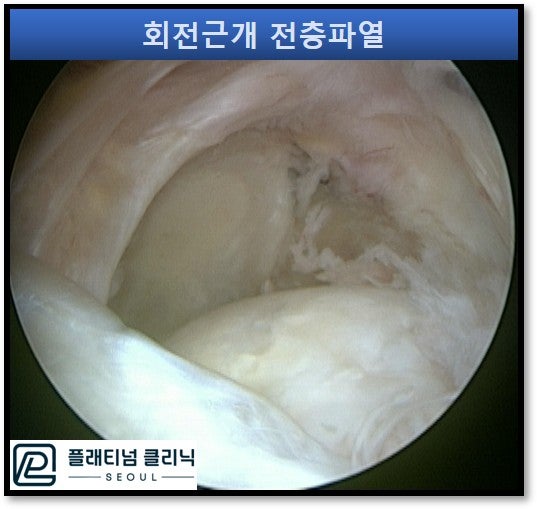
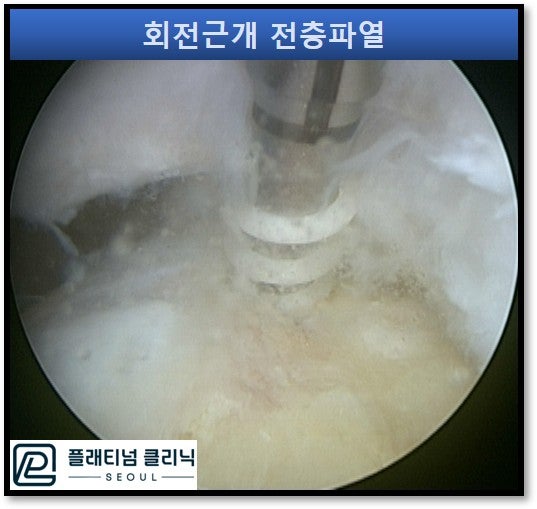
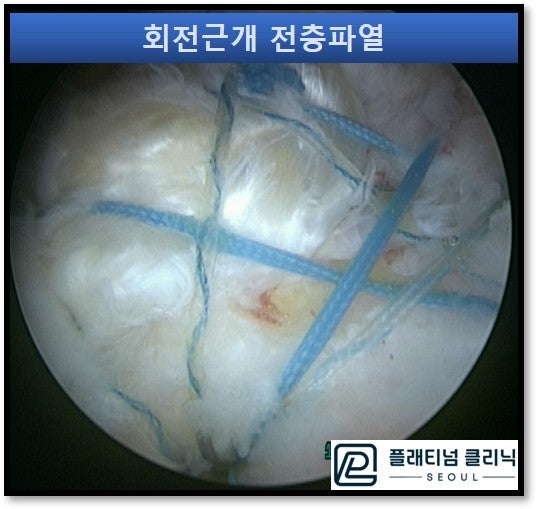
Here is what the patient said: "I endured over a year with nothing but injections. I wish I had come sooner. I was afraid of surgery, but arthroscopy left such small incisions, and I never imagined recovery could be this dramatic." ---------------------------------------------- Research-Backed Results of Arthroscopic Rotator Cuff Reconstruction
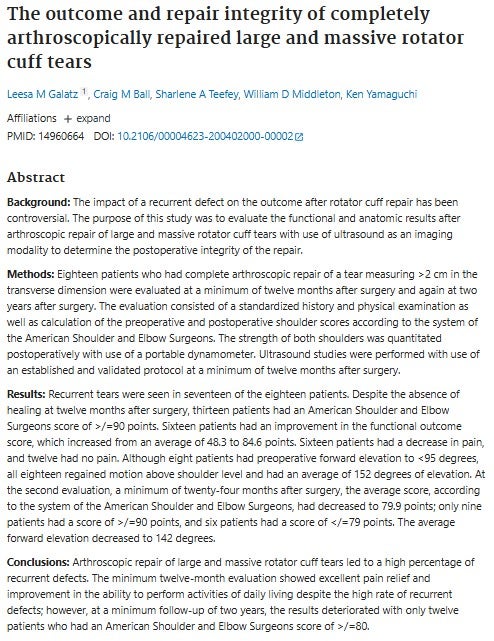
Here are the key figures: - Tendon healing rate after arthroscopic rotator cuff repair: over 91% - Re-tear rate with double-row repair: approximately 10% or less (half that of single-row) - Tendon maturity improved by approximately 23% when combined with bone marrow stimulation ---------------------------------------------- What Makes Platinum Clinic Different 1. Patented Instruments & Proprietary Surgical Technique The Bone Tunneling Method used in our reduction repair is a technique personally developed and patented by Dr. Dongkyu Lee. Precise tunnels are drilled into the bone using a specialized micro-drill, and knotless collagen sutures provide maximum initial fixation strength. 2. Extensive Experience - Over 10,000 Procedures With over 10,000 calcific deposit aspiration procedures alone, and even more including arthroscopic shoulder surgeries, this accumulated experience ensures precision and safety. 3. Same-Day Admission and Discharge Arthroscopic surgery is performed under regional anesthesia (nerve block) without general anesthesia. You arrive in the morning, have your surgery, and go home the same day. You can return to daily life quickly without the burden of hospitalization. 4. Customized Combined Reconstruction Tailored to the Tear This is not simply stitching a tear. Reduction repair + bone marrow stimulation + Regeneren reinforcement are combined and designed according to each patient's tear size, tendon quality, and age. ---------------------------------------------- We Recommend Arthroscopic Rotator Cuff Reconstruction For - Those with shoulder pain lasting over 6 months with no response to conservative treatment - Those with severe night pain causing sleep disturbance - Those who experience weakness or severe pain when raising the arm overhead - Those diagnosed with full-thickness rotator cuff tear on MRI - Those who have tried injections, shockwave, and physical therapy at other hospitals without improvement - Those who need surgery but are concerned about general anesthesia and hospitalization - Those who want a systematic rehabilitation program after surgery - Those in occupations that heavily use the shoulder, such as construction, transportation, or sports ---------------------------------------------- 12-Week Customized Rehabilitation Program - The Other Half of Surgical Success Rotator cuff reconstruction is 50% surgery and 50% rehabilitation. At Platinum Clinic, we provide a 12-week customized rehabilitation program for all patients who undergo reduction repair, bone marrow stimulation, calcific deposit aspiration, or Regeneren procedures. This is a step-by-step program designed by our physicians, physical therapists, and sports rehabilitation trainers. We provide personalized 1:1 rehabilitation videos via KakaoTalk, making home rehabilitation possible even for patients outside of Seoul. No matter where you are in the country, your rehabilitation continues without interruption after surgery. Dr. Dongkyu Lee: *"Restoring the structure with arthroscopy is just the beginning. Full recovery comes only when function is restored through rehabilitation. Structure + Function = Complete Recovery - this is the treatment philosophy at Platinum Clinic."* ---------------------------------------------- Key Summary "Once the rotator cuff tears, it does not heal on its own. Over time, the tear enlarges and the muscle turns to fat. Getting a precise arthroscopic reconstruction at the right time is the surest way to protect your shoulder." 3 Key Messages: 1. Full-thickness rotator cuff tears cannot heal naturally. Early arthroscopic reconstruction yields the best results. 2. The patented Bone Tunneling Method reduction repair at Platinum Clinic maximizes initial fixation strength and minimizes re-tear rates. 3. Surgery + a 12-week customized rehabilitation program must work together to fully restore both structure and function. - Dr. Dongkyu Lee, Orthopedic Specialist, Platinum Clinic (Sinsa Station, Gangnam, Seoul) ---------------------------------------------- Frequently Asked Questions (FAQ) Q1. Does a torn rotator cuff always require surgery? If it is a partial tear with mild symptoms, we try conservative treatment first. However, if it is a full-thickness tear or conservative treatment for 3-6 months shows no response, we recommend arthroscopic reconstruction. Q2. How is arthroscopic surgery different from open surgery? Arthroscopy uses only 2-3 small incisions of about 0.5-1cm to insert a camera and instruments. Compared to open surgery, tissue damage is less, infection risk is lower, and recovery is faster. Q3. How long does the surgery take? It varies depending on the tear size, but averages 40 minutes to 1 hour and 30 minutes. Q4. Is general anesthesia necessary? At Platinum Clinic, we perform the surgery under regional anesthesia (nerve block). Surgery is possible without the burden of general anesthesia, and same-day discharge is available. Q5. When can I use my arm after surgery? A brace is worn for approximately 4-6 weeks. Light daily activities can resume after 6 weeks, and vigorous exercise or heavy labor after 3-6 months. Q6. Is there a risk of re-tearing? According to research, the re-tear rate for double-row repair is approximately 10% or less. The Bone Tunneling Method combined with bone marrow stimulation at Platinum Clinic minimizes this risk. Q7. Can surgery be done even at an older age? Even patients in their 70s and older can undergo surgery if the tendon condition and overall health permit. However, the degree of retraction and fatty degeneration stage determine surgical candidacy and prognosis. Q8. Both my shoulders hurt. Can both be operated on at the same time? Simultaneous bilateral surgery is generally not recommended. It is safer to complete 3-6 months of rehabilitation on one side before operating on the other. Q9. I live far away. How do I do rehabilitation? We send customized rehabilitation videos via KakaoTalk 1:1. Our sports rehabilitation trainers design weekly exercises, making home rehabilitation possible anywhere in the country. Q10. How much does it cost? Some components are covered by national health insurance and some are not. Costs vary depending on tear size and surgical method, so we provide a detailed estimate during a phone or in-person consultation. ---------------------------------------------- References 1. Galatz LM, Ball CM, Teefey SA, et al. The outcome and repair integrity of completely arthroscopically repaired large and massive rotator cuff tears. *J Bone Joint Surg Am*. 2004;86(2):219-224. 2. Cho NS, Rhee YG. The factors affecting the clinical outcome and integrity of arthroscopically repaired rotator cuff tears of the shoulder. *Am J Sports Med*. 2009;37(8):1505-1513. 3. Sugaya H, Maeda K, Matsuki K, Moriishi J. Repair integrity and functional outcome after arthroscopic double-row rotator cuff repair. *J Shoulder Elbow Surg*. 2007;16(6):727-734. 4. Milano G, Saccomanno MF, Careri S, et al. Efficacy of marrow-stimulating technique in arthroscopic rotator cuff repair. *Arthroscopy*. 2010;26(10):1329-1334. 5. Boileau P, Brassart N, Watkinson DJ, et al. Arthroscopic repair of full-thickness tears of the supraspinatus: does the tendon really heal? *J Shoulder Elbow Surg*. 2019;24(3):496-502. ---------------------------------------------- #ShoulderArthroscopy #RotatorCuffReconstruction #RotatorCuffTear #ShoulderSurgery #ArthroscopicSurgery #RotatorCuffRepair #ReductionRepair #BoneTunnelingMethod #BoneMarrowStimulation #Regeneren #CalcificDepositAspiration #ShoulderPain #RotatorCuffTreatment #ShoulderTendonTear #PlatinumClinic #DrDongkyuLee #GangnamOrthopedics #SinsaStationOrthopedics #ShoulderRehabilitation #SameDaySurgery
https://os.platinumclinic.co.kr
🔗 https://os.platinumclinic.co.kr