
Rotator Cuff Reconstruction with Regeneren and Arthroscopic Double-Bridge Repair: When Is It Needed? ---------------------------------------------- Hello. I am Dr. Dongkyu Lee, an orthopedic specialist. "Can Regeneren alone fix my rotator cuff?" "Do I need repair as well? Does that make the surgery bigger?" "I was told my tissue is weak. I am worried about re-tearing..." These are the most common questions from patients diagnosed with medium to large rotator cuff tears. To get straight to the point: **For medium to large tears where the tendon tissue quality is poor, combining Regeneren (patch reinforcement) with arthroscopic double-bridge repair can be beneficial.** Today, I will explain which cases require this combined approach, with patient examples and supporting evidence. ----------------------------------------------
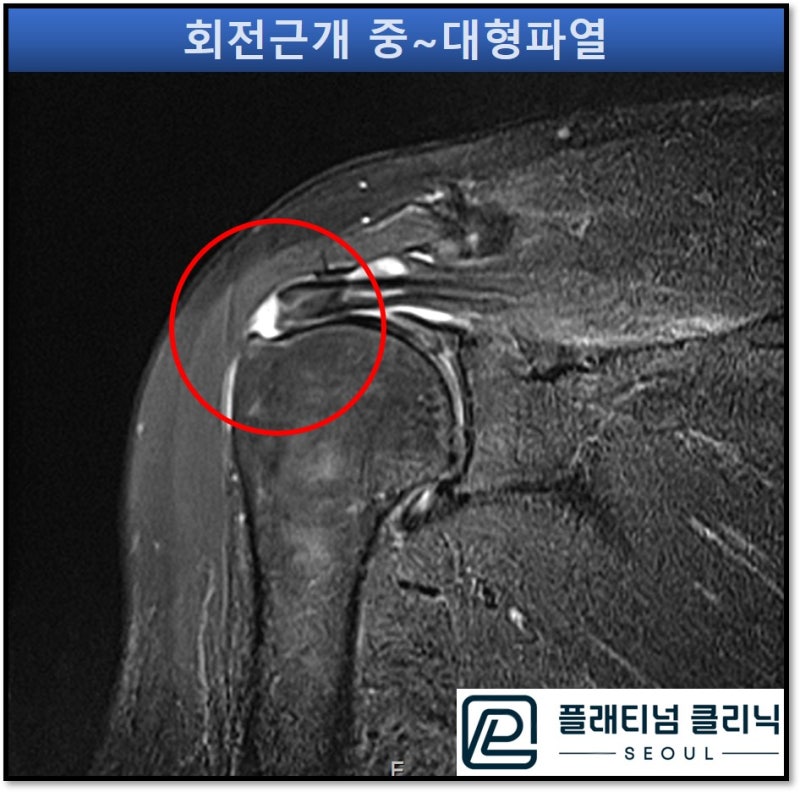
MRI of a medium to large rotator cuff tear ---------------------------------------------- Why might "repair alone" or "patch alone" not be enough? There are two main goals in rotator cuff reconstruction: - 1) Securely reattaching the torn tendon to bone (mechanical stability) - 2) Creating a healing environment so the attachment heals properly (biological healing) In medium to large tears, the tendon is often significantly worn (degenerative), thinned, or has lost its elasticity. In this state, even after repair, excessive tension on the sutures or failure of the repair site before healing completes can increase the risk of re-tearing. Conversely, relying on a patch (Regeneren) alone also has its limitations. Because if the structural problem of the tendon needing to attach to bone is not resolved, functional recovery may be insufficient or re-tear risk remains. That is why, in certain cases, a combined strategy is considered: double-bridge repair to strengthen fixation, and Regeneren to reinforce and support healing. ---------------------------------------------- What is Regeneren? Regeneren is a bioabsorbable reinforcement patch placed over the rotator cuff tendon to bolster tendon thickness and support healing. The key point is: The weaker and thinner the tendon, the more likely that simple suturing alone may not provide enough reconstruction strength, and a reinforcement material can serve as a "protective scaffold" to support healing. (Note: Whether Regeneren is applicable depends on the tear pattern, remaining tendon quality, patient age/activity level, and varies from person to person.) ---------------------------------------------- What is the Arthroscopic Double-Bridge Repair (Double-Row/SpeedBridge)? Double-bridge repair is a suturing method that uses anchors to press the tendon firmly against the bone over a wide contact area, securing compression and contact surface to create favorable conditions for healing. Particularly in medium to large tears, it helps ensure sufficient tendon-to-bone contact area and distributes the load on the repair site. ---------------------------------------------- Cases Where Combined Treatment Is Particularly Considered (Medium-Large + Poor Tissue Quality) The more of the following that apply, the more often a combined approach is considered over standalone treatment: - Medium to large tear with a thin, worn tendon (degenerative changes) - Cases where excessive tension on the repair is expected - Cases with fatty infiltration or muscle atrophy reducing the tissue's healing capacity - Cases where the patient uses the shoulder heavily at work or in daily life and wants to further reduce re-tear risk - Cases with pronounced weakness and functional decline, not just pain ---------------------------------------------- Real Patient Case Case 1: Male in his 60s, medium-large tear with poor tissue quality, persistent pain and night pain Patient Information - Age/Gender: 62-year-old male - Occupation: Self-employed (frequent arm use) - Main Symptoms: Shoulder pain for 8 months, night pain + arm weakness when lifting Symptoms - Wakes up at night due to pain - Pain and weakness when lifting the arm sideways - A "catching" sensation in the shoulder when lifting objects Examination Findings - MRI: Medium to large rotator cuff tear with tendon degeneration - Ultrasound: Tear extent and thickness reduction confirmed (suspected poor tissue quality)
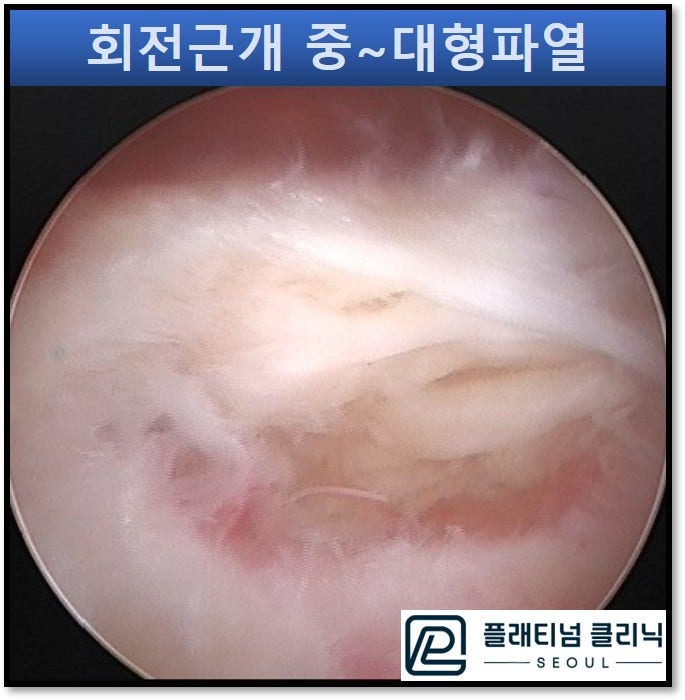
Case 1 - Pre-treatment arthroscopic view: Medium to large tear with degenerative findings Treatment - Arthroscopic rotator cuff reconstruction (double-bridge repair) + Regeneren reinforcement - Treatment of concurrent conditions (bursitis/adhesions, etc.) as needed
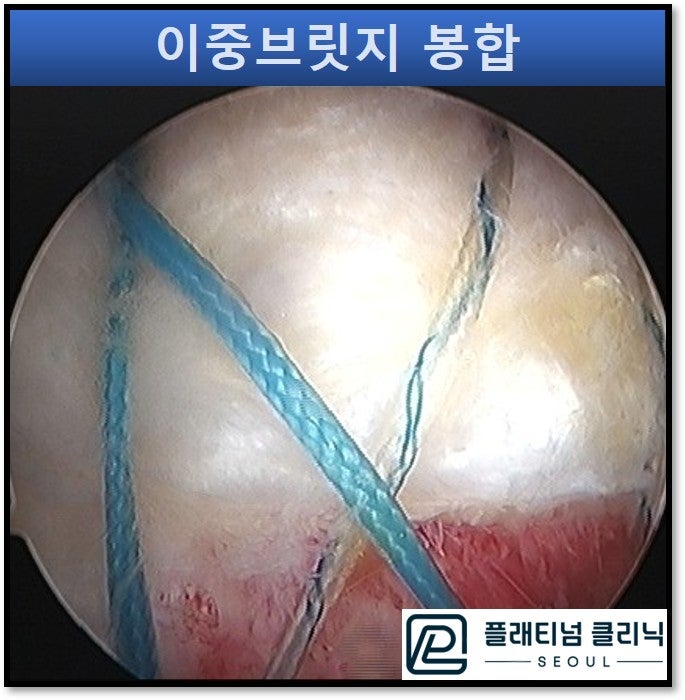
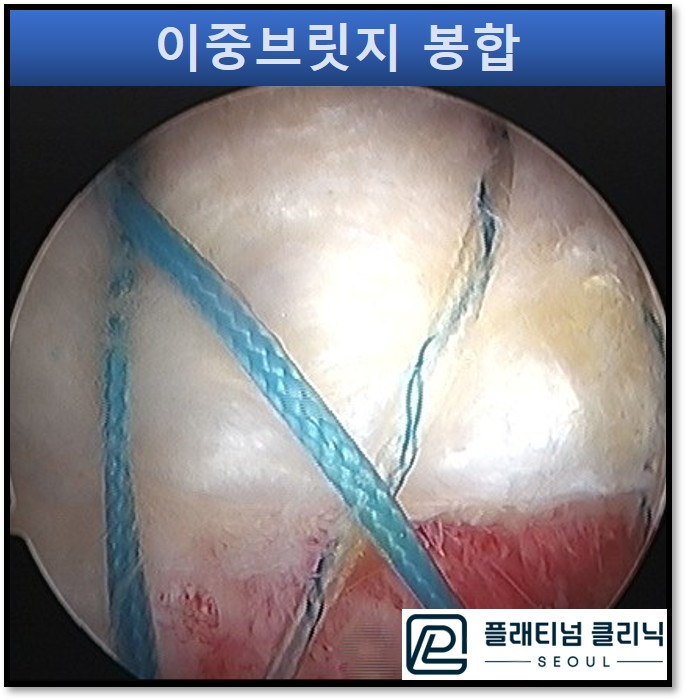
Case 1 - Double-bridge repair in progress (arthroscopic view)
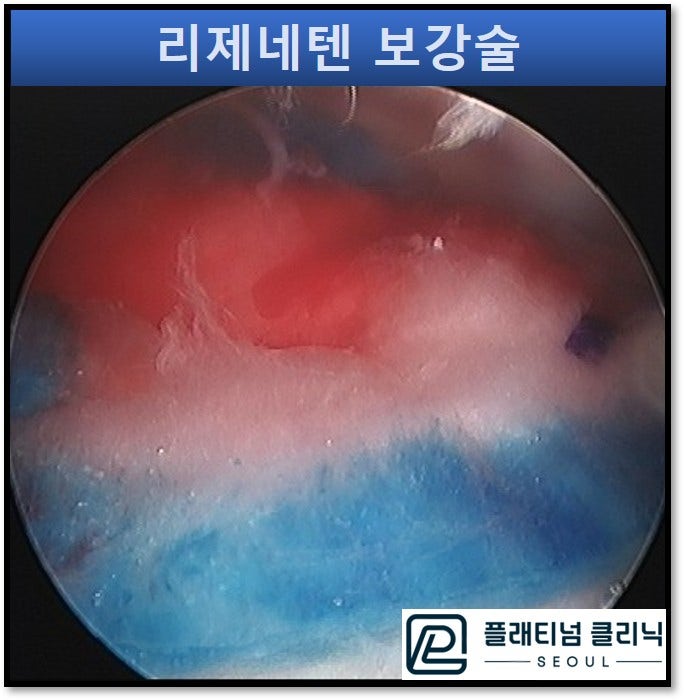
Case 1 - Regeneren reinforcement application (concept/surgical photo) Progress (example) - 2 weeks: Night pain decreased, sleep quality improved - 6 weeks: Daily movement pain reduced (rehabilitation proceeds in stages) - 3 months onward: Functional recovery and strength retraining in progress (Note: Recovery speed varies significantly between individuals depending on tear pattern and rehabilitation compliance.) ---------------------------------------------- What Does the Research Say? In medium to large tears with poor tissue quality, repair methods and reinforcement strategies remain an actively researched topic. The key findings: - Wide contact area and stable fixation may be beneficial for healing - When the tendon is weak, reinforcement can play a "protective" role for the reconstruction
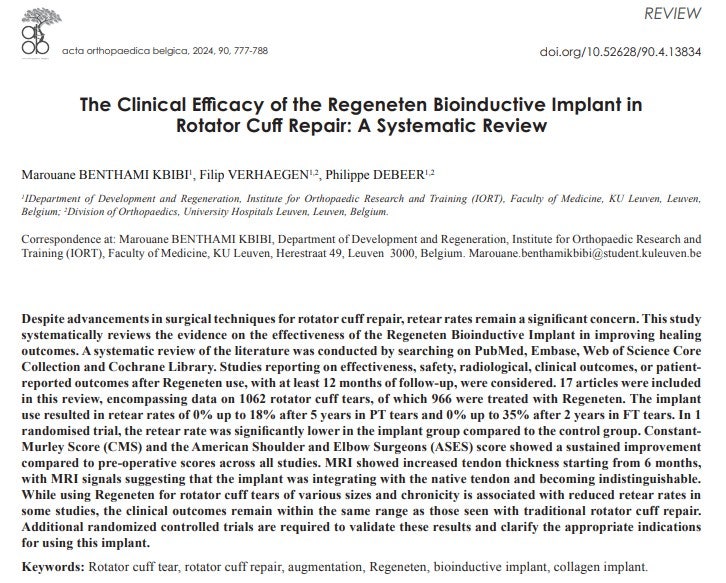
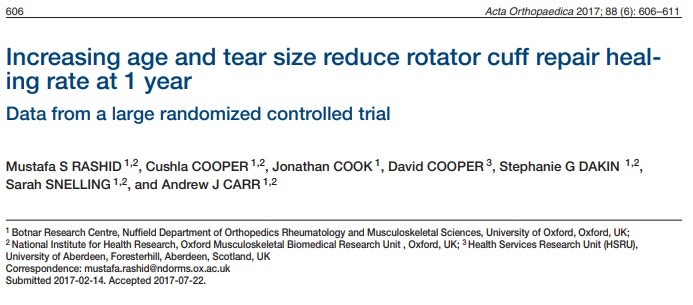
(Note: Research figures and conclusions can vary depending on study design and patient populations. Actual treatment decisions must be based on individual patient conditions.) ---------------------------------------------- Summary: Consider Combined Treatment In These Cases - Medium to large tear with thin, weak tendons - Cases where tension issues may cause instability with repair alone - Cases with both functional decline (weakness) and night pain - Cases where you want to minimize re-tear risk or post-recovery activity is important Shoulder pain, even with the same "rotator cuff tear" diagnosis, requires different treatment strategies depending on the size and tissue condition of the tear. To accurately assess your condition, an ultrasound/MRI-based evaluation combined with a functional shoulder examination is essential. ---------------------------------------------- Frequently Asked Questions (FAQ) Q1. If I get Regeneren alone, do I not need the repair surgery (double-bridge)? - It depends on the tear size and tendon tissue condition. - Particularly for medium to large tears or when tissue quality is poor, combining fixation (repair) may be more beneficial for functional recovery and healing stability. Q2. Does double-bridge repair guarantee no re-tearing? - No. Re-tearing is possible with any repair method. - However, it may be advantageous in terms of contact area, compression, and load distribution, which is why it is often considered for medium to large tears. Q3. How long is the recovery after surgery? - It varies significantly between individuals (tear size, tissue condition, rehabilitation compliance, occupation/activity level, etc.). - Typically, an initial protection period is followed by progressive range of motion recovery and then strength retraining. Q4. Does a medium to large tear always require surgery? - Not all medium to large tears lead to surgery. - Treatment plans consider pain patterns, functional decline (weakness), tear progression, and patient goals (work/exercise) comprehensively. ---------------------------------------------- (Disclaimer) This article is for general medical information purposes. Treatment methods and prognosis may vary depending on individual patient conditions. Accurate diagnosis and treatment plans are determined through clinical consultation.