Shoulder Ligament Reduction Repair vs. 4th-Generation Ligament Regeneration Injection: Key Differences
"Should I get an injection, or do I need repair?" Hello. I am Dr. Dongkyu Lee, an orthopedic specialist at Platinum Clinic in Sinsa Station. When you have shoulder pain and examination reveals a "partial tear of the rotator cuff (shoulder ligament/tendon)," many people find themselves wondering: "I don't want surgery... Can injections make it better?" "I've had many injection treatments. Why does the pain keep coming back?" Today, I will use one real patient case to clearly explain the differences between the two treatments most commonly compared during consultations: shoulder ligament reduction repair and our clinic's 4th-generation ligament regeneration injection (patented formula). --- First, the Key Conclusion: 'Damage treatable with injections' and 'damage that benefits from physical repair' are different Partial rotator cuff tears are not complete full-thickness tears, so many people try to push through. But once pain becomes recurring and function starts declining, the issue is likely no longer just inflammation - the tissue damage (tear) itself is probably at the center of the problem. That is why at Platinum Clinic, we use ultrasound/X-ray/MRI to first identify: 1) The location of the tear (articular side?), 2) The extent of the tear (partial or full-thickness?), 3) Accompanying issues (calcification/impingement/adhesion, etc.) before designing the treatment plan.
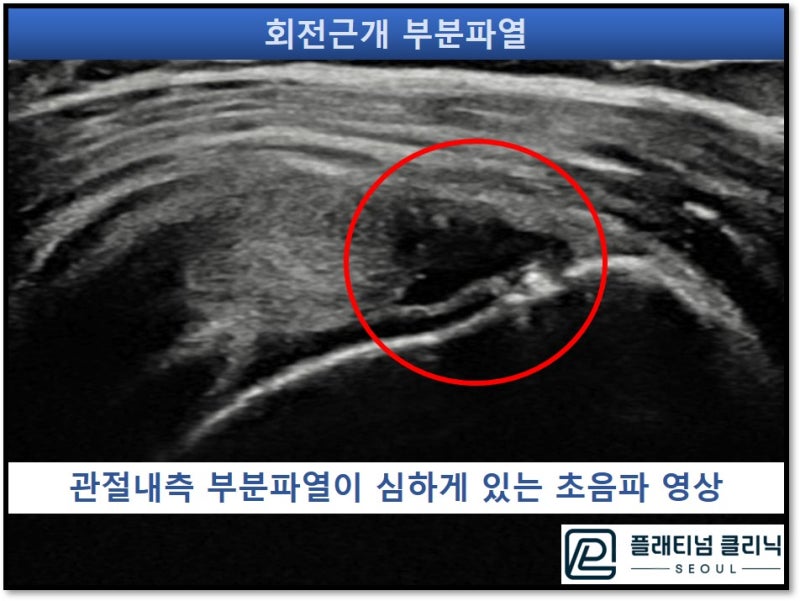
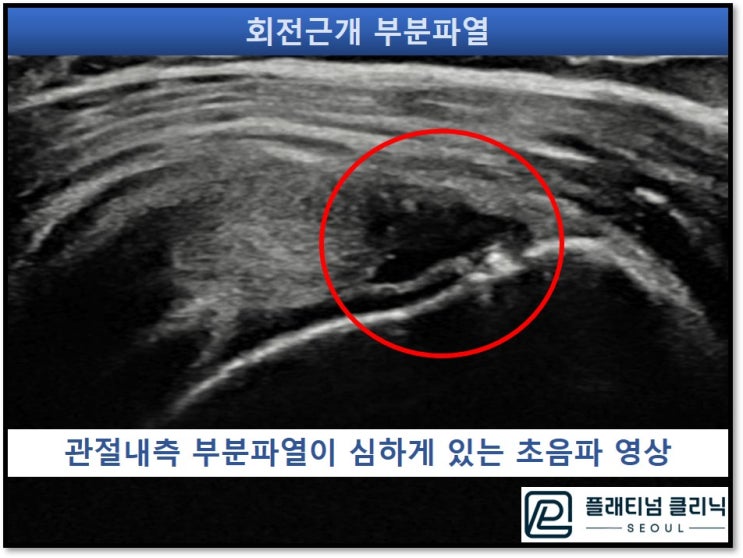
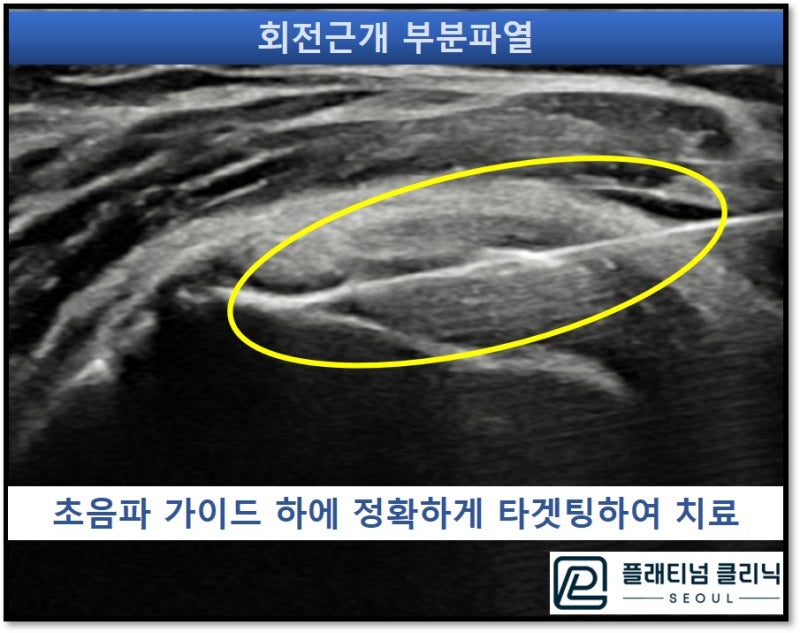
Ultrasound identifies the tear location and inflammation status.
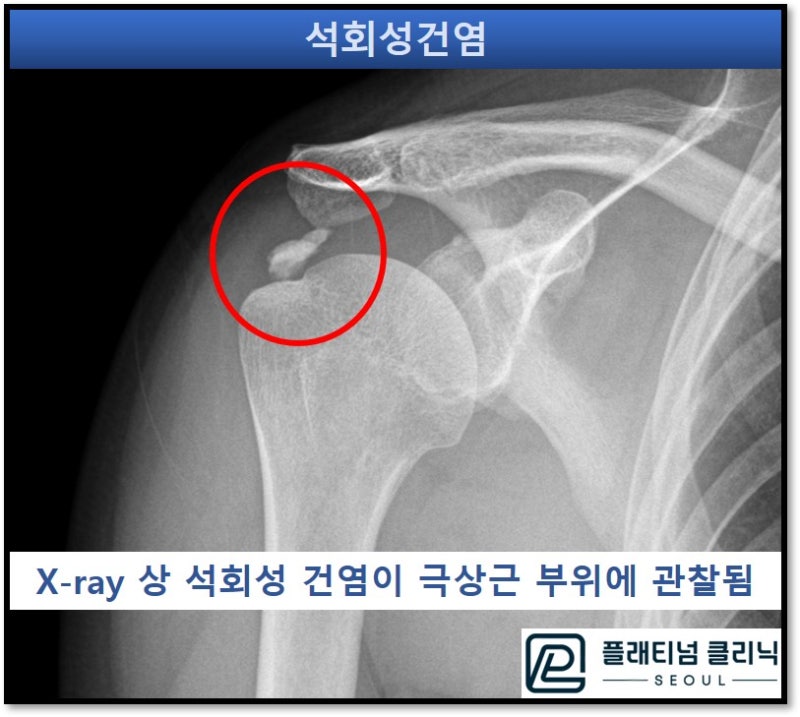
X-ray checks for accompanying conditions (e.g., possible calcific tendinitis).
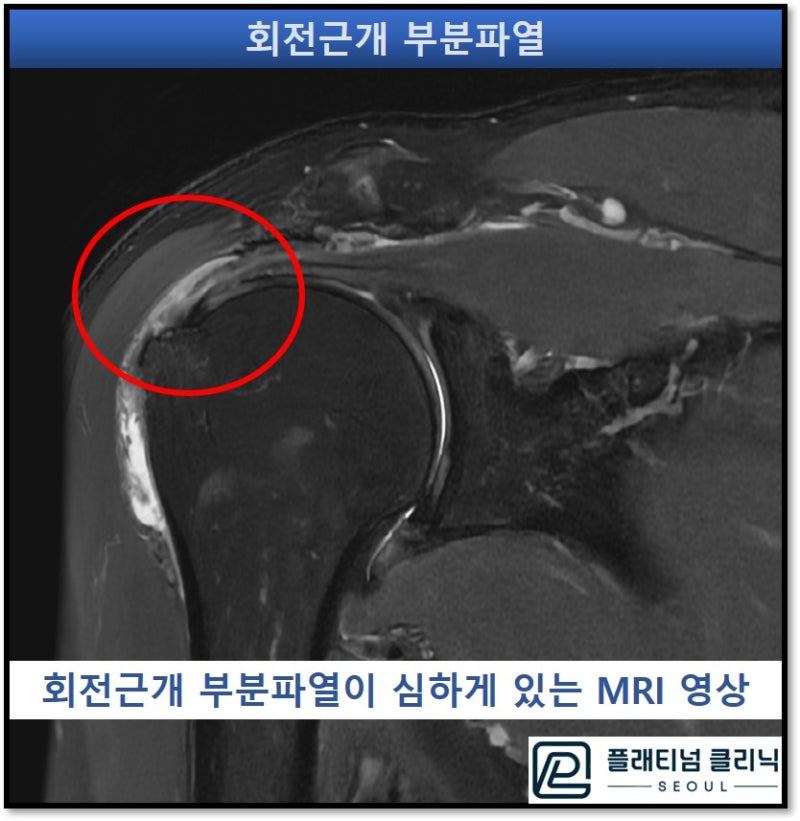
MRI evaluates the tear extent and tissue condition to determine the treatment direction. --- Understanding Through One Case: "Had many injections but the pain keeps returning" - A patient in their 30s (heavy shoulder use in daily life)
Patient A, in their 30s, was living a lifestyle that heavily used the shoulder (repetitive use from exercise, work, childcare, etc.). Three key symptoms were particularly prominent: 1) Night pain: Pain worsens when lying down at night, frequently waking up 2) Sharp pain at specific angles: Sharp, stinging pain when lifting the arm sideways or rotating it backward at certain ranges 3) Worsening after repeated use: Temporarily better with rest, but pain returns upon use Patient A had already received multiple rounds of injection and physical therapy, but the feeling of "it only helps temporarily" was strong. In cases like this, there is only one important question in the consultation room: > "Is the current pain primarily from inflammation, or from the partial tear itself?" When examination confirms an articular-side partial tear that is judged to be the core source of current pain, rather than just repeating injections, we need to consider methods that 'physically stabilize the tear.' This is where shoulder ligament reduction repair enters the discussion.
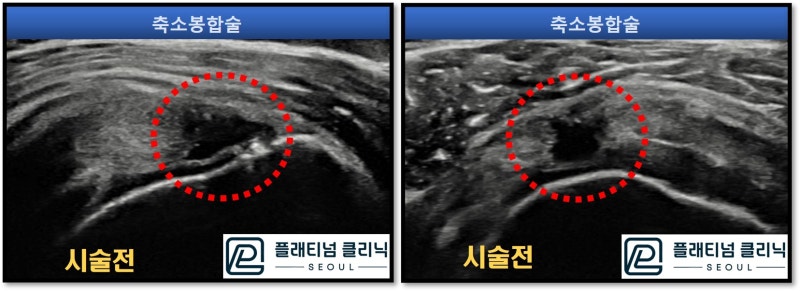
The location and extent of the partial tear are the key criteria for treatment selection. --- 1) What is Shoulder Ligament Reduction Repair? (Non-Surgical, No-Incision 'Physical Repair') Shoulder ligament reduction repair is a non-surgical procedure that targets articular-side partial tears of the inner shoulder ligament, using patented collagen sutures to physically repair the damaged area. Another key point is that unlike traditional arthroscopic surgery, it is performed with a needle-sized specialized guide, requiring no incision. Being able to shower and return to daily life the next day without a brace is a significant advantage. For patients with busy schedules where brace wear is realistically difficult, this is often the "decision-changing point" for treatment.
A non-surgical repair procedure performed through a needle-sized specialized guide, requiring no incision.
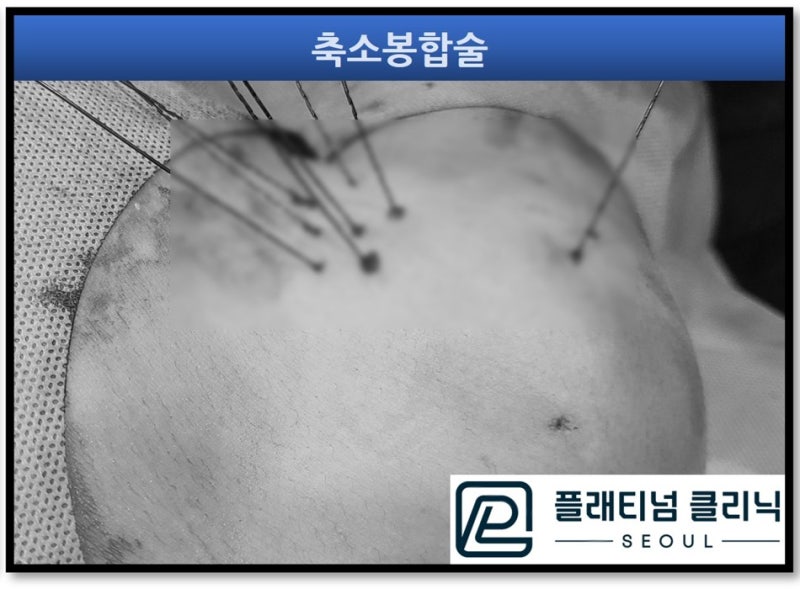
The procedure is performed through a needle-sized guide, so no incision is needed. --- 2) What Makes Our 4th-Generation Ligament Regeneration Injection Different? Not all injection treatments are the same. Platinum Clinic aims not simply to "strengthen" the ligament, but to guide the ligament tissue toward regenerating into its original tissue. Importantly, our ligament regeneration injection uses a patented 4th-generation regenerative formula that differentiates it from conventional DNA injections, PDRN injections, and standard prolotherapy. In other words, when the core issue is ligament weakening, recurring pain, or micro-damage/degenerative changes, a regeneration-focused treatment strategy can be helpful.
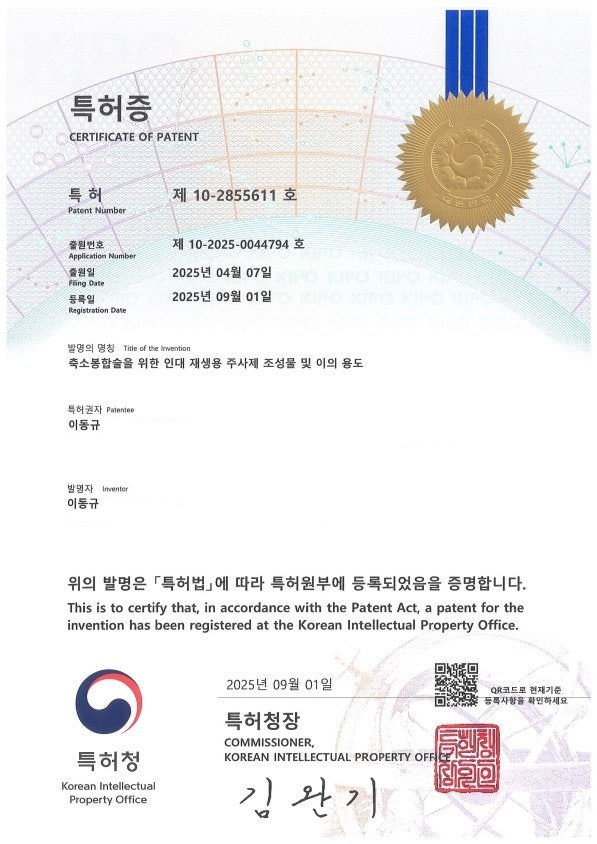
Our ligament regeneration injection is based on a patented 4th-generation regenerative formula.
Regeneration-focused treatment is designed according to the patient's condition and goals. --- 3) A Simple Summary of the Differences Shoulder Ligament Reduction Repair - Goal: **Physically repair the partial tear** for stabilization - Key Point: Non-surgical, no incision, **quick return to daily life without a brace** - Best For: "Had many injections but they keep recurring," clear articular-side partial tear on examination Our 4th-Generation Ligament Regeneration Injection - Goal: Guide **ligament tissue regeneration** in damaged/degenerative environments - Key Point: **Patented formula** differentiating from conventional DNA/PDRN/standard prolotherapy - Best For: When the tear is not large, or when micro-damage/degenerative changes are the focus and a regeneration strategy is appropriate --- 4) Three "Selection Hints" You Can Self-Check If 2 or more apply, you may want to consider a 'physical stabilization' option like reduction repair rather than just repeating injections: - [ ] You have had multiple injections/physical therapy sessions but **the effect does not last** - [ ] Night pain + pain at specific angles recur, and **function (lifting/rotating the arm) is declining** - [ ] Your schedule makes surgery/brace wear realistically difficult, and you are **looking for a last non-surgical method before surgery** Conversely, if the tear is not large and regeneration-focused treatment is more appropriate, the 4th-generation ligament regeneration injection may be the priority. Ultimately, the best approach is to accurately assess your current condition through proper examination and receive the treatment that matches it. --- Frequently Asked Questions (FAQ) - 6 Questions
Q1. Is shoulder ligament reduction repair an injection treatment? A. It is not a simple injection. It is a non-surgical procedure that uses patented collagen sutures to physically repair articular-side partial tears. Q2. If there is no incision, is it less effective? A. Whether or not there is an incision does not determine effectiveness. What matters is whether the treatment matches your specific tear type. Q3. What is the biggest difference from traditional arthroscopic surgery? A. Arthroscopy often involves incisions and brace/rehabilitation burden, while reduction repair is a no-incision, non-surgical procedure performed through a needle-sized guide (for appropriate cases). Q4. Are DNA/PDRN injections different from our ligament regeneration injection? A. Our clinic uses a patented 4th-generation regenerative formula with distinct differentiating features. Q5. Is the treatment done once the pain is gone? A. Even when pain decreases, if shoulder performance (function/strength) has not recovered, recurrence is likely. Rehabilitation is absolutely essential. Q6. How do I know if I am a candidate for reduction repair? A. We confirm via ultrasound/MRI whether an articular-side partial tear is present and its extent, including any accompanying conditions, before making the decision. --- Final Thoughts: Get an Accurate Diagnosis and Choose the Right Treatment Before Your Shoulder Becomes One That Just "Endures" Partial rotator cuff tears may seem manageable, but when pain recurs, quality of life declines (especially night pain), and at some point, functional recovery becomes much more difficult. "Surgery is not feasible. But repeating injections is not changing anything." If this is your situation, it is worth checking whether your tear type needs "physical stabilization" like shoulder ligament reduction repair. Finally, let me show you Patient A's results.
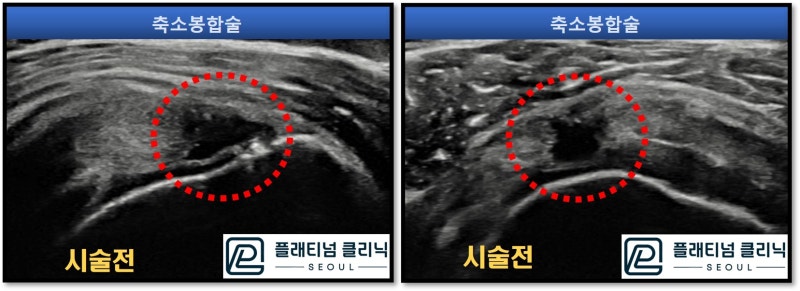
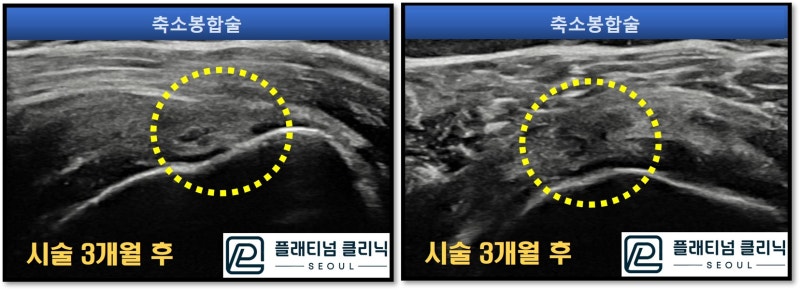
Comparing the pre-procedure image where the torn area is visible within the red circle to the 3-month follow-up within the yellow circle, you can clearly see that the tissue has healed well. Accurately diagnosing the patient's condition and providing appropriate treatment is extremely important.