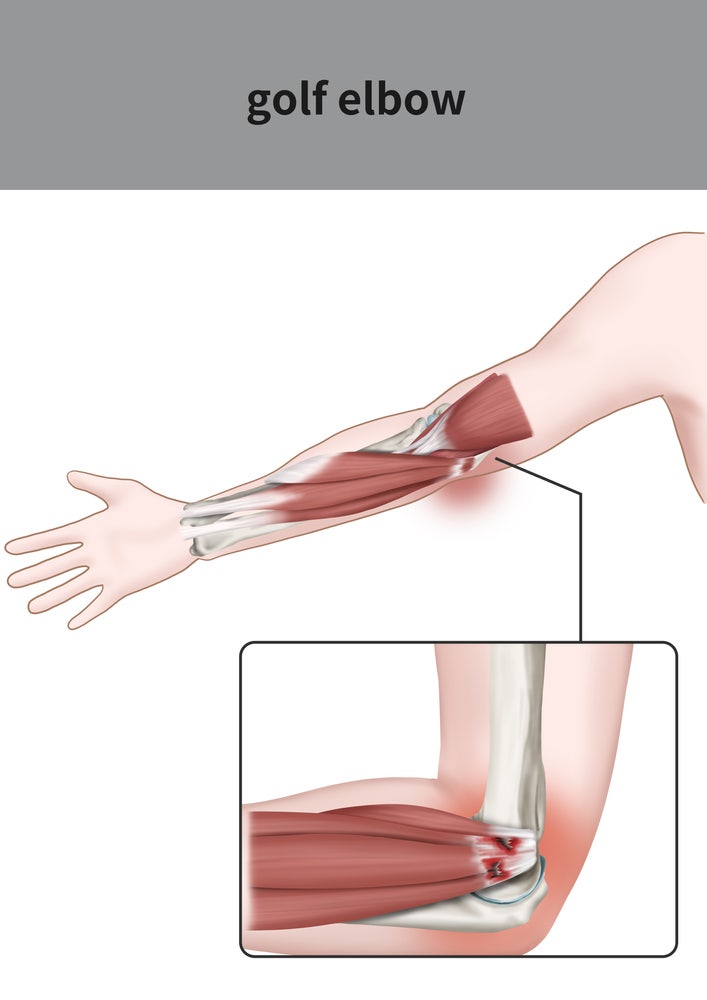
Elbow pain can be caused by fractures, tissue damage, or arthritis, but the most common causes are tennis elbow and golf elbow. Tennis elbow primarily causes pain on the outside of the elbow, while golf elbow causes pain on the inside. These elbow conditions result from excessive and repetitive use of muscles, ligaments, and tendons, causing damage or tears. Pain occurs when pressing on the protruding bone of the elbow. Elbow conditions most commonly affect people who lift or carry heavy objects, athletes, office workers who frequently use computers, and homemakers. Diagnosis is made through X-ray and ultrasound examinations to check for damage to the surrounding ligaments, tendons, muscles, and any bone wear.

When experiencing elbow pain, the basic principle is to rest the arm as much as possible. When performing strengthening exercises around the elbow, light stretching is preferable to heavy resistance training, using 1 kg dumbbells or water bottles. While golf elbow and tennis elbow have distinct differences, the treatment approaches are similar. Elbow treatment aims to manage pain and prevent recurrence. Treatments include medication, injection therapy, extracorporeal shockwave therapy, manual therapy, and exercise therapy. Medication reduces elbow pain, while extracorporeal shockwave therapy stimulates blood flow at the inflamed area, promoting new blood vessel formation to accelerate tissue healing.
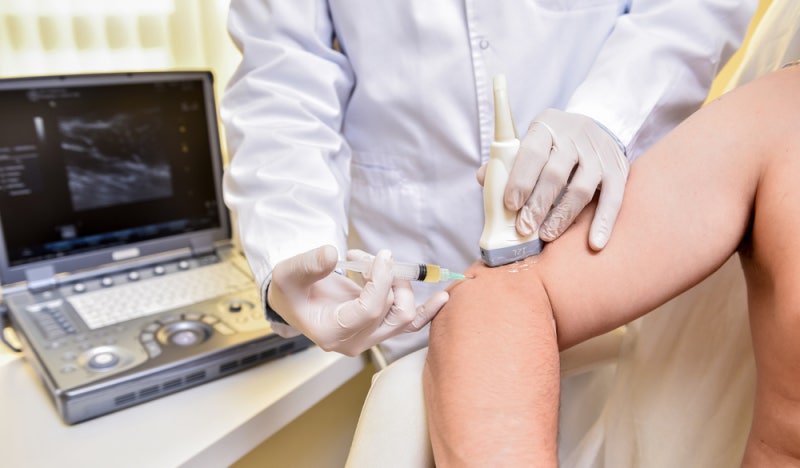
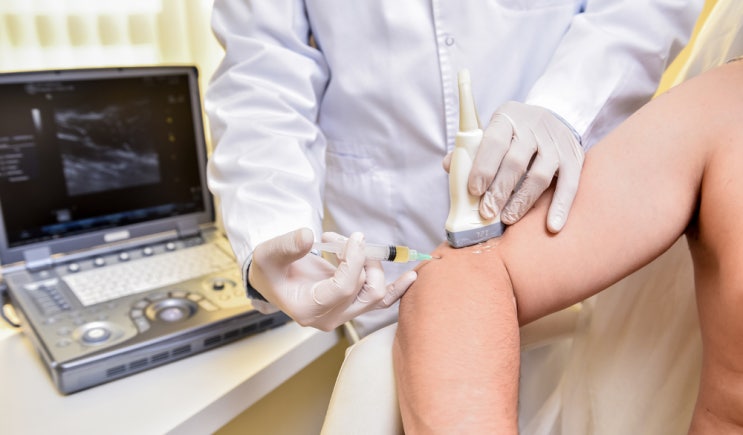
Prolotherapy injections can help damaged tendons, muscles, and ligaments. Using ultrasound guidance to inject directly into the damaged tissue, prolotherapy can regenerate and strengthen the tissues around the elbow, offering promising recovery results.
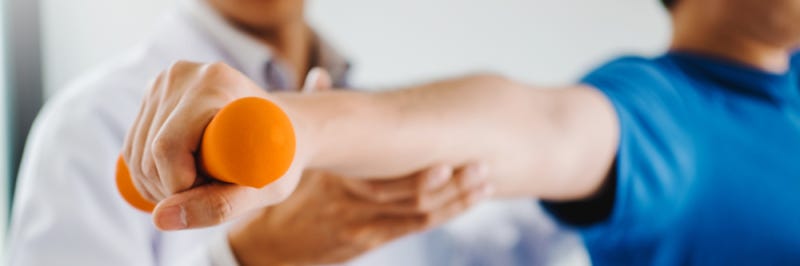
Manual therapy gently releases shortened and damaged muscles and tissues, and improves the reduced elbow mobility caused by the condition. Manual therapy is also excellent for improving blood circulation and blood flow.
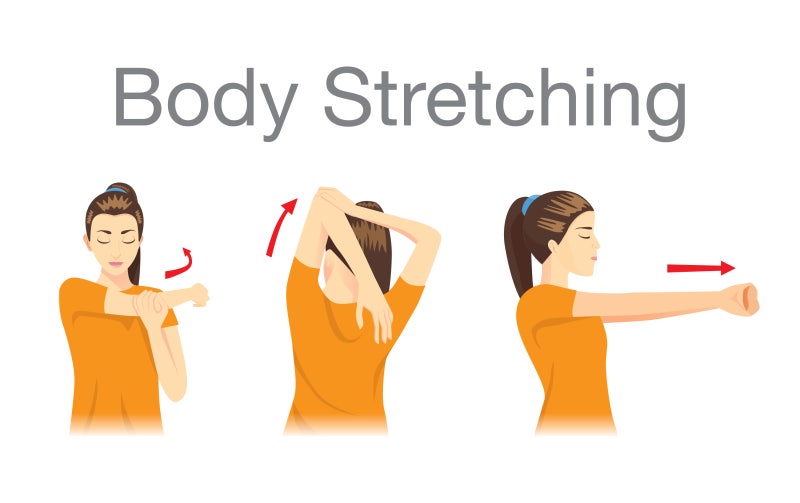
Prevention is key for all conditions. To prevent the muscle overuse that causes golf elbow and tennis elbow, wearing an elbow brace wraps the forearm muscles and releases tendon tension, helping to reduce the force on the elbow. Additionally, to prevent golf elbow and tennis elbow in everyday life, avoiding overuse of the affected area is most important. If elbow pain occurs, resting early is recommended. Regular forearm stretching is also helpful.