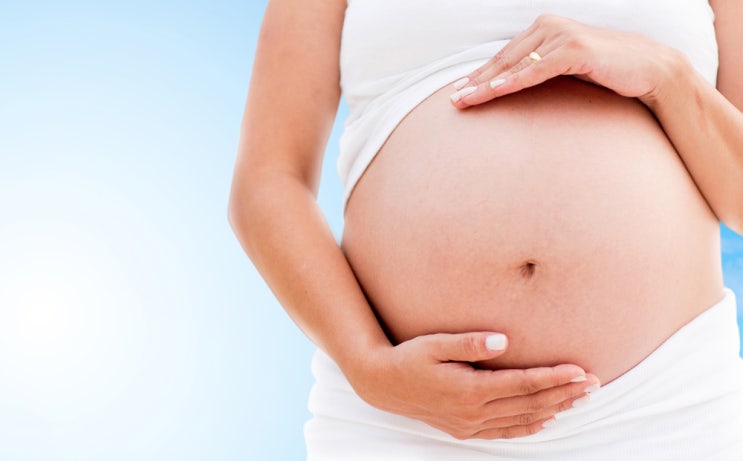
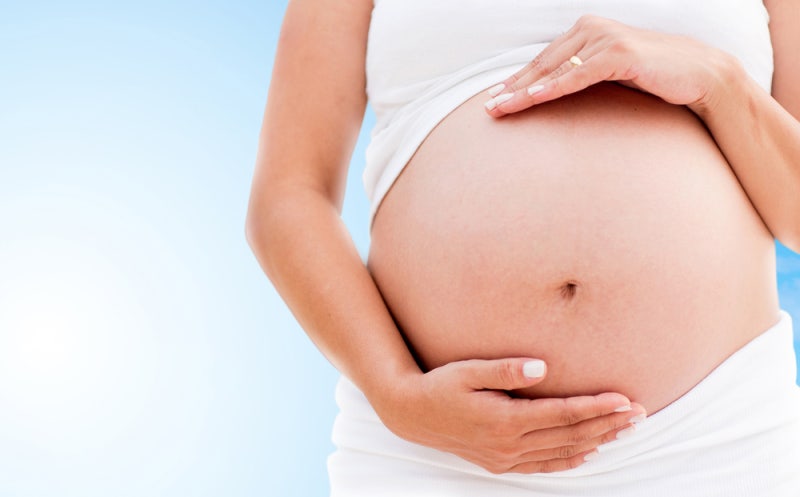
After carrying a heavy body for ten months, expectant mothers think the hard part is over after delivery. However, the body has spread at the joints and ligaments have stretched from giving birth, making it difficult to resume normal daily activities. That's why postpartum management of pelvic and joint pain is essential to prevent these issues from developing into more serious conditions. You may feel quite down seeing how your body has changed after having a baby, compared to how healthy and strong you were before.
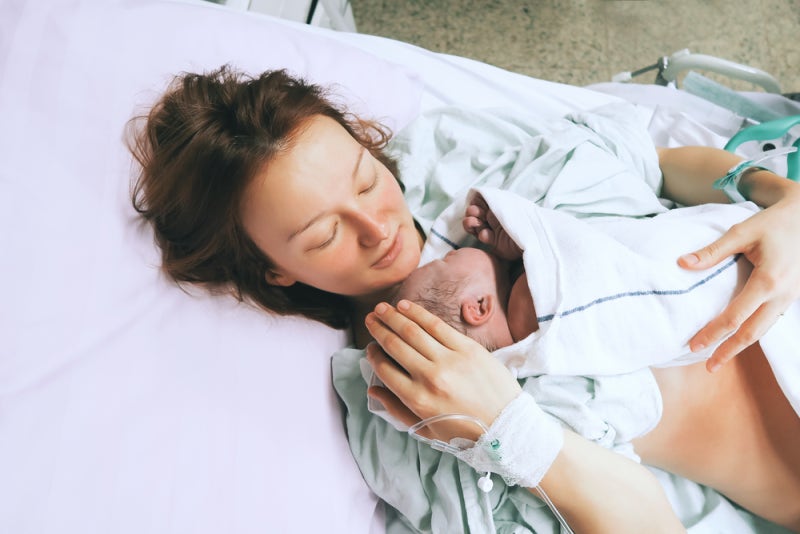
However, with proper pain management techniques and exercise, you can regain vitality in daily life and return to your former healthy self. Postpartum pelvic pain refers to persistent pelvic pain experienced after delivery. It most commonly occurs after a first delivery when proper postpartum care wasn't received, or due to various factors during labor. Postpartum pelvic pain can arise from several causes. 1. Weight naturally increases during pregnancy. As muscle mass decreases proportionally, pelvic pain can develop. This is a natural phenomenon, so gradually building muscle mass through gentle full-body exercise is important. 2. If you're breastfeeding, the nursing position itself can cause postpartum pelvic pain. Many women hunch over while holding the baby during breastfeeding, which places considerable strain on the lower back. Using nursing products to keep the back as straight as possible during feeding, or avoiding prolonged hunching, is important.
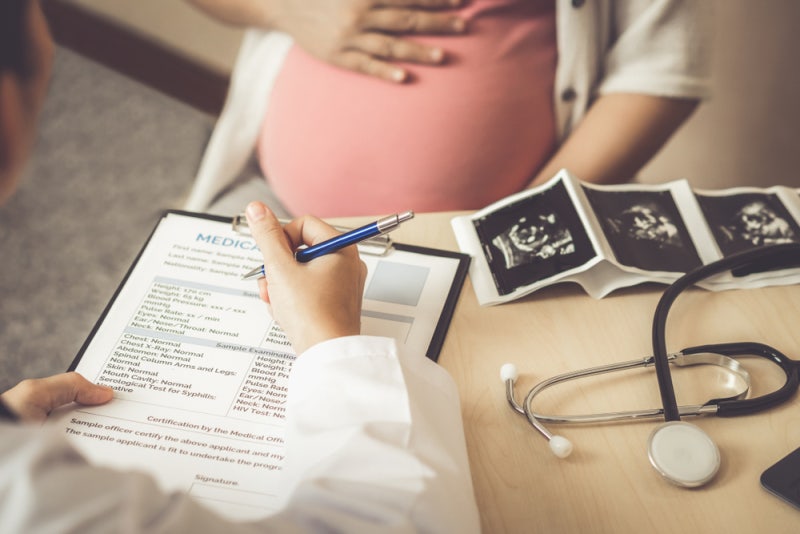
3. During pregnancy and delivery, the uterus and birth canal naturally widen, which can cause postpartum pelvic pain. The cartilage of the birth canal, formed by the pubic bone, sacrum, and ilium, can spread up to 2 cm. During postpartum recovery, extra attention to posture is needed. If proper postpartum recovery doesn't occur, long-term lower back and hip pain can develop. 4. Just as the uterus and birth canal naturally widen during pregnancy and delivery, the blood volume flowing to the widened birth canal also increases significantly. If this increased blood volume persists after delivery, blood stasis can develop, causing pain in the lower back, hips, and other areas. To strengthen joints and ligaments and prevent blood stasis, consistent posture correction therapy and treatments to relieve postpartum pelvic pain are needed. Overuse of wrists, ankles, lower back, and sacrum during the postpartum period can perpetuate pelvic pain, so appropriate treatment combined with lifestyle habit improvements is essential.
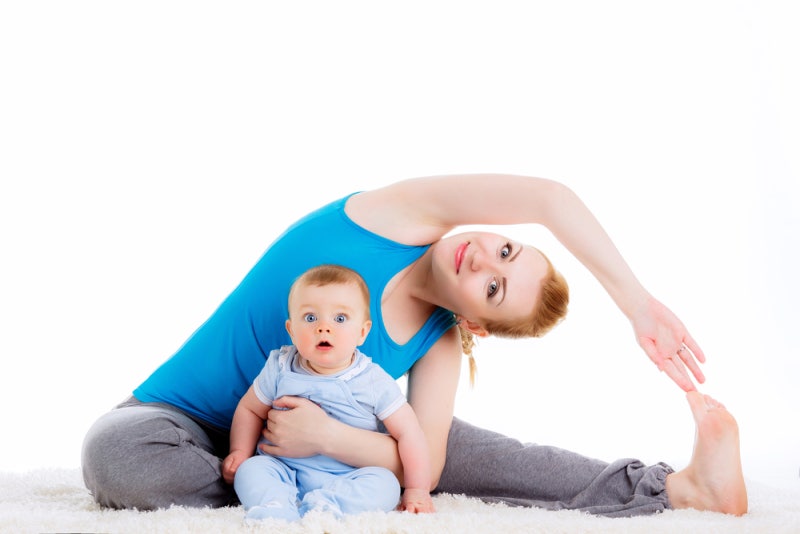
Avoid lifting heavy objects other than holding the baby. Alternate sides when holding the baby rather than always using one side. Home paraffin compresses can help, and using joint supports such as wrist and ankle braces can also aid in relieving postpartum pelvic pain.