

Many people are considering treatment or surgery for rotator cuff tears. The treatment approach for rotator cuff tears should be determined after carefully checking how far the tear has progressed, whether the shoulder is frequently used, and whether there are any accompanying conditions. If symptoms aren't severe, daily life isn't significantly affected, and the tear isn't large, medications, injections, exercise therapy, and specialized physical therapy can reduce pain and restore range of motion to prevent further progression.
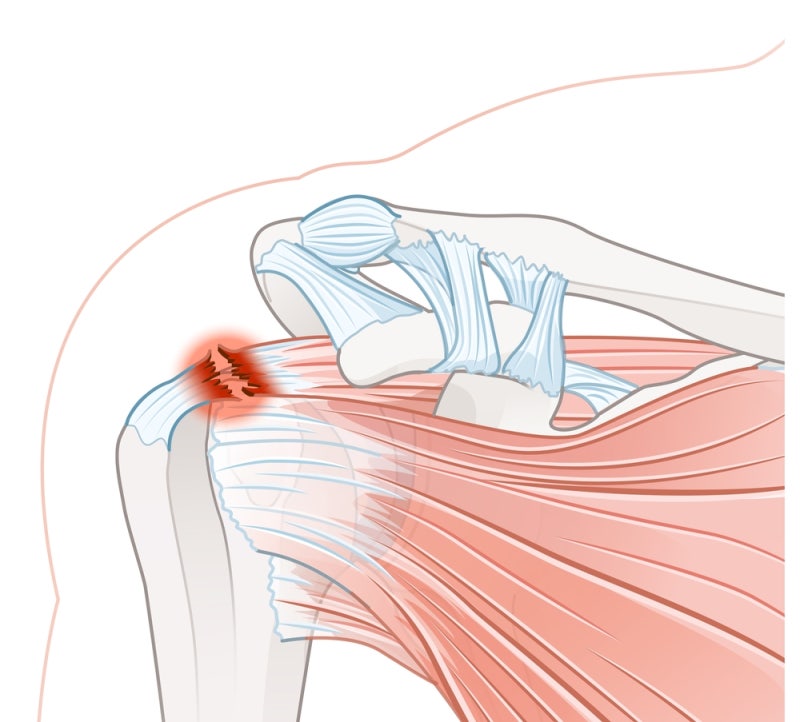
What is the rotator cuff and what role does it play? The rotator cuff consists of four tendons that enable rotational movements of the shoulder and maintain shoulder stability. If the rotator cuff tears, the remaining tendons compensate by working together. This means that even after a tear, the shoulder can continue to be used repetitively without pain or functional limitations. As the remaining tendons gradually tear one by one, shoulder pain eventually develops. If you notice shoulder pain different from ordinary muscle soreness or rotator cuff tear symptoms, don't delay treatment. Prompt treatment matched to the situation and symptoms can prevent the need for surgery or artificial joint replacement down the road.
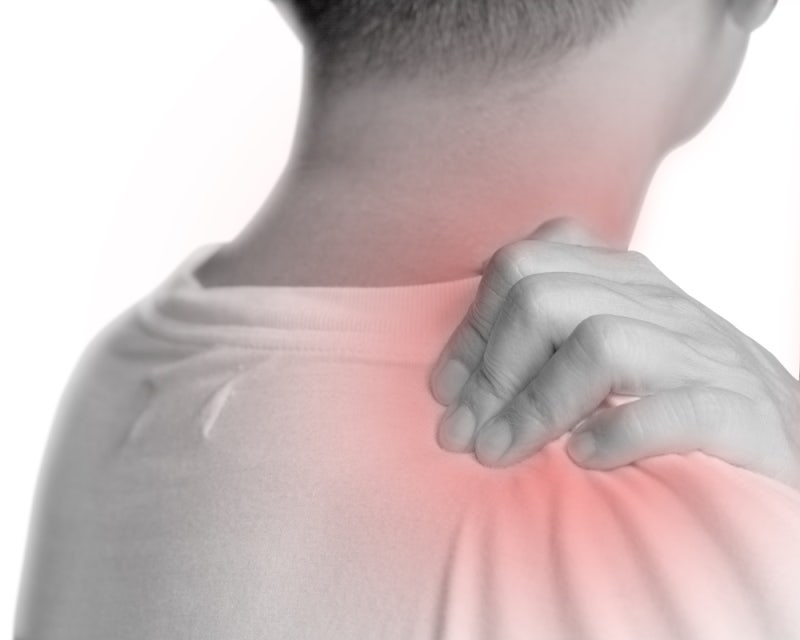
What are the symptoms of a rotator cuff tear? - Discomfort or pain when lifting the arm overhead - A feeling that shoulder power is declining - Pain or inability to move the arm when removing clothes or scratching the back - Shoulder pain when picking up or moving objects - Difficulty holding the arm up for more than 10 seconds - Inability to apply force in one shoulder when scrubbing the back - Difficulty raising the arm to brush hair with a comb - Sharp, stinging pain during certain shoulder movements If you've experienced even one of these symptoms, you may want to suspect the condition and visit a hospital for a simple X-ray and ultrasound examination. As mentioned earlier, if symptoms are mild and the tear isn't large, various injection therapies can be considered. Let me tell you about the types of injections used for rotator cuff tears.
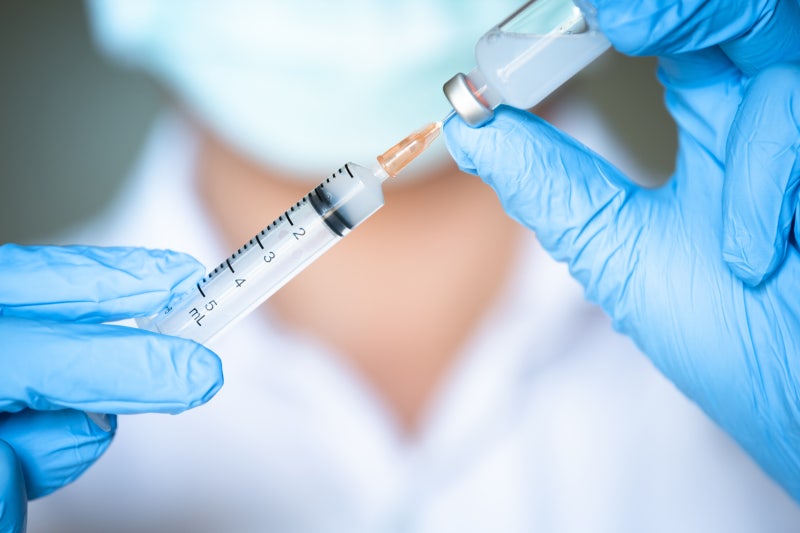
What injections are available for rotator cuff tears? 1. PDRN Injection (Placentex) PDRN is a DNA injection designed to demonstrate anti-inflammatory and tissue regeneration effects when administered. Simply put, it's a medication that regenerates various tissues. It's known by many names, but its active ingredient is Placentex. Components extracted from salmon promote blood vessel growth in tissues, aiding in tissue recovery. While prolotherapy injections are known for causing significant pain, PDRN injections have the advantage of causing almost no post-injection pain. 2. IGF Growth Factor Injection Growth hormone injections act on bone cells to promote skeletal growth and stimulate protein synthesis and cell proliferation. When administered as shoulder injections at appropriate doses for a specified number of sessions in cases of rotator cuff tendon tears, they aid in tendon cell proliferation. 3. Collagen Injection Unlike other injection components, this involves directly injecting collagen, the essential component for tissue regeneration, into the damaged rotator cuff. Since collagen makes up about 50% of tendons and ligaments, supplementing with pure, refined collagen supports tissue recovery. It's biocompatible and safe, making it effective for rotator cuff tear repair. However, peak shoulder pain typically occurs around day 3 after injection. This is temporary and subsides over time. 4. Prolotherapy (Prolotherapy) This is a regenerative injection treatment that deliberately triggers an inflammatory response to stimulate the damaged area and promote cell regeneration. In essence, prolotherapy accelerates the tissue healing process. There's actually no specific "prolotherapy solution"; the treatment method itself is called prolotherapy. By creating inflammation, growth factors in the tissue become activated, cells proliferate, and the damaged area recovers. Because prolotherapy deliberately creates inflammation, anti-inflammatory medications and steroid injections should be avoided after the procedure. Which injection is used depends on the tear pattern and tendon quality, but one universal principle is that all injections must be accurately placed. Under ultrasound guidance, injections must be administered via a safe, correct route with precise targeting. Even the same injection solution can produce different treatment outcomes depending on how and where it's administered.