When diagnosed with a rotator cuff tear, you may have been told that 'shoulder surgery' is needed. Some worry about losing the ability to use their shoulder if they don't get surgery right away, or feel they need to rush into surgery because something terrible might happen.

Rotator cuff tears are a natural degenerative condition that can commonly occur in anyone, and they're not as frightening as many people think. Furthermore, rotator cuff tears can be treated with non-surgical methods, so there's no need to worry too much. A rotator cuff tear literally means damage to one or more of the four muscles covering the shoulder: the subscapularis, supraspinatus, infraspinatus, and teres minor. Rotator cuff tears don't happen suddenly like scissors cutting through; they develop gradually, tearing little by little like threads breaking one at a time.
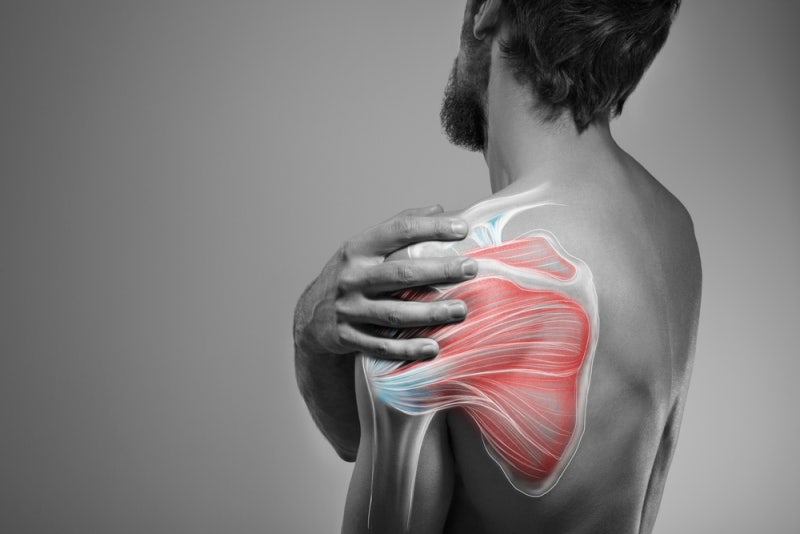
Despite having rotator cuff damage, many people don't report significant pain. This is because many muscles besides the rotator cuff contribute to shoulder movement. While you might assume that a torn rotator cuff causes immediate pain and inability to use the shoulder, structures like the deltoid, biceps, triceps, pectoralis minor, pectoralis major, trapezius, latissimus dorsi, and others can compensate for each other, meaning rotator cuff tears often don't cause pain.


Surgery is needed for large or complete rotator cuff tears. So what treatment applies to small rotator cuff tears? Non-surgical treatment methods for rotator cuff tears are diverse. Medication, injection therapy, extracorporeal shockwave therapy, and exercise therapy are all non-surgical options. For early rotator cuff tear symptoms, these non-surgical treatments can help. However, if consistent non-surgical treatment shows no improvement, or if you're seeking more proactive treatment at the time of diagnosis, bone marrow stimulation therapy can also be considered.


Using ultrasound to precisely target the torn tendon, multiple small holes are created in the shoulder bone beneath the rotator cuff. When holes are drilled in the bone, numerous bone marrow cells emerge containing autologous stem cells with various growth factors. These autologous stem cells promote healing of the damaged tendon in this non-surgical treatment approach.


'Bone marrow stimulation therapy' for rotator cuff tears doesn't require separate bone marrow harvesting and transplantation, making it convenient and less burdensome than surgery. Bone marrow stimulation therapy can be performed as a same-day procedure, with no significant activity restrictions or prolonged shoulder brace wear needed afterwards, and a quick return to daily life. While surgery is necessary for large rotator cuff tears, for milder cases, bone marrow stimulation therapy uses the body's own resources to support shoulder recovery.