
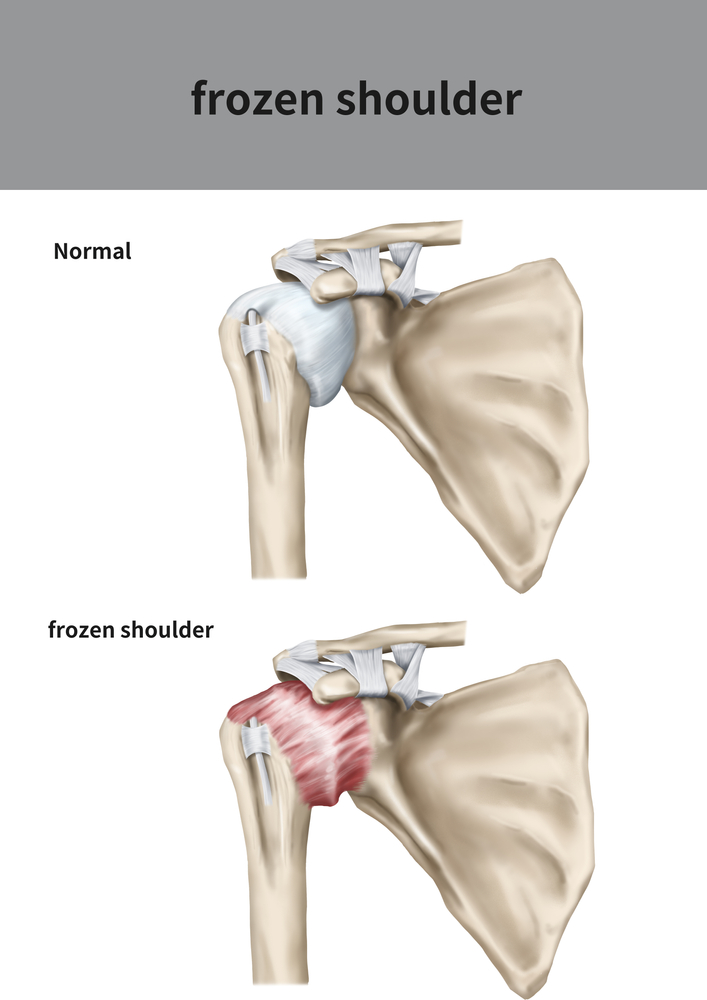
Frozen shoulder is a condition that commonly develops in people in their 50s, which is how it got its name in Korean ('fifty shoulder'). Frozen shoulder occurs when the joint capsule of the shoulder becomes stiff and adhesions form, causing shoulder pain and restricted range of motion. It is so common that more than 5% of the entire Korean population has experienced this condition.

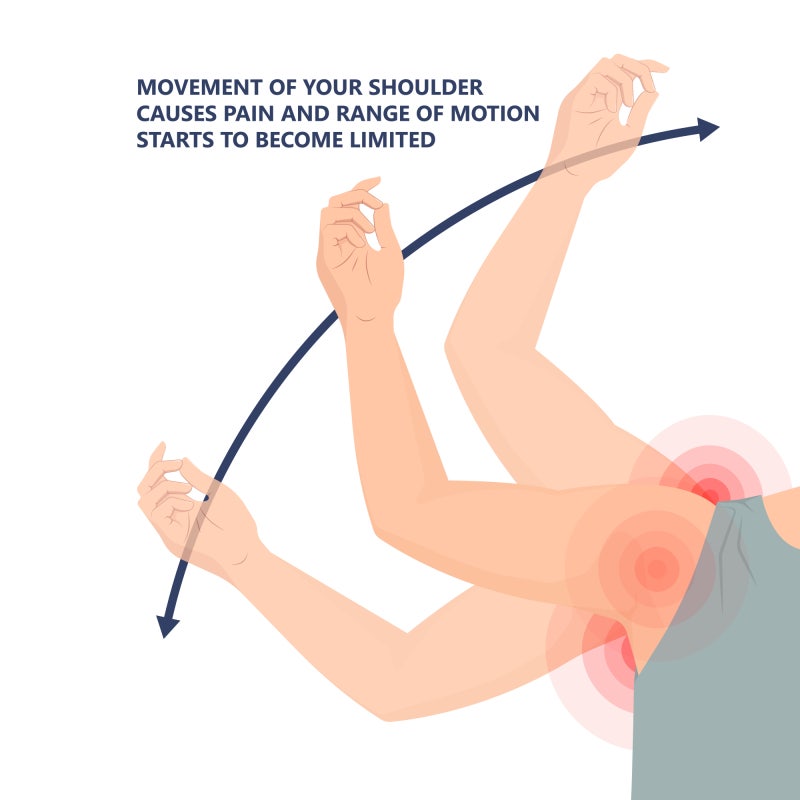
Frozen shoulder progresses through three stages. In the initial stage, only shoulder pain occurs — a cold, stiff, heavy ache that gradually turns into sharp pain. As joint capsule adhesions worsen, pain occurs even at rest, and night pain develops when the affected shoulder is compressed during sleep. Over time, the shoulder gradually stiffens, entering the second stage. At this point, arm movement is restricted in all directions, making it difficult to wash your hair, reach for items on high shelves, or even get dressed. In the third and final stage, shoulder pain gradually decreases and the frozen joint slowly begins to loosen — this is the recovery phase. Frozen shoulder is known to naturally resolve within 2-3 years without treatment. While natural healing is possible, recovery without treatment often leaves residual shoulder pain and movement limitations that significantly impact daily life. Even after natural healing, the shoulder does not return to its previous normal state.
Frozen shoulder develops when inflammation occurs in the shoulder joint for any reason, leading to adhesions in the joint capsule. The causes are diverse — rotator cuff inflammation, tears, calcific tendinitis, diabetes, shoulder trauma, and more. Frozen shoulder can be treated quickly once the cause is properly identified, and there are many treatment options available. Besides surgery, treatments include oral medication, injection therapy, and exercise therapy. For early-stage frozen shoulder, manual therapy, exercise therapy, and oral medications can rapidly improve pain. However, once the condition has progressed and range of motion has narrowed, simple conservative treatments alone may not be effective. In such cases, a hydrodilatation injection — which directly reduces inflammation in the adhered joint capsule and expands it — is the appropriate treatment.
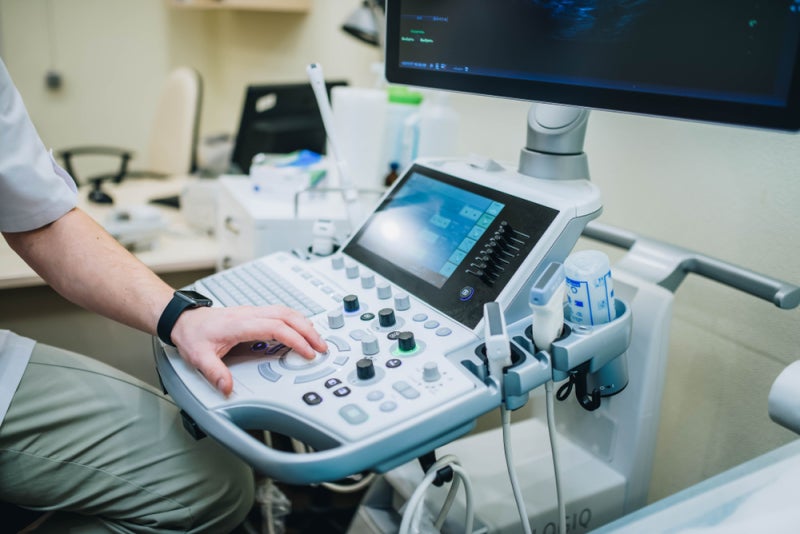
Hydrodilatation is a non-surgical frozen shoulder treatment using ultrasound guidance. Under ultrasound, the exact location of the joint capsule is identified, and the adhered capsule is expanded while medication is injected into the affected area to resolve inflammation. Effective frozen shoulder treatment involves quickly loosening the stiff shoulder to restore range of motion. When exercise alone cannot loosen the shoulder or when pain prevents any shoulder movement, hydrodilatation can provide rapid results. However, just because shoulder pain disappears and the shoulder moves after hydrodilatation doesn't mean the condition is fully resolved. After hydrodilatation reduces pain and temporarily loosens the stiff shoulder, patients should undergo manual therapy, extracorporeal shockwave therapy, and other physical treatments along with active joint exercises and passive stretching to secure shoulder range of motion. Frozen shoulder is prone to recurrence once it develops, and treatment duration can be lengthy, so if you notice unusual shoulder discomfort or pain, treatment is strongly recommended.