

Calcific tendinitis, which causes severe shoulder pain, can take a very long time to heal naturally. Even if you hope for natural healing without treatment, the extreme shoulder pain makes it impossible to wait.
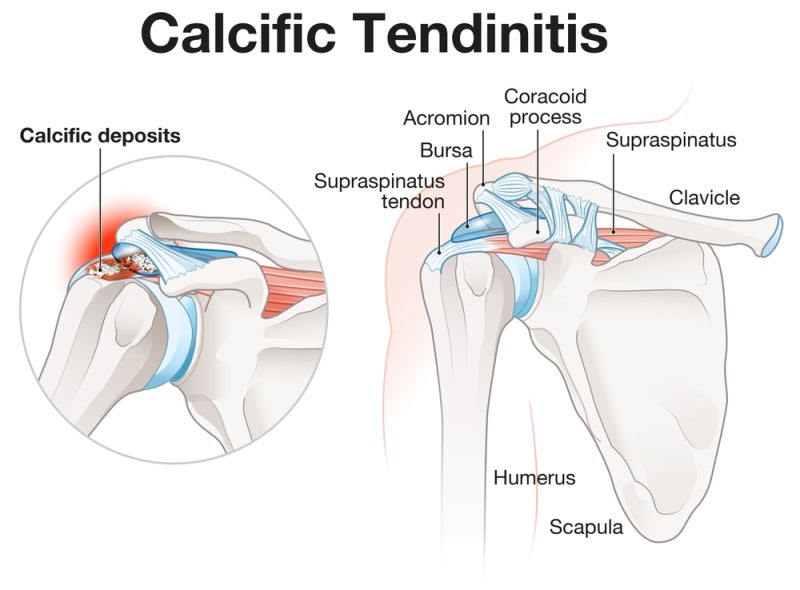
Shoulder calcific tendinitis occurs when calcium deposits form in the rotator cuff tendons, creating hard, stone-like substances. Since the rotator cuff plays a major role in shoulder movement, it is highly susceptible to natural tears or damage even without significant trauma, which means it ages relatively faster. When tendons age, blood supply to the tendons decreases, calcium accumulates inside cells, and calcification begins. As these calcium deposits grow larger and harden, they develop into calcific tendinitis.
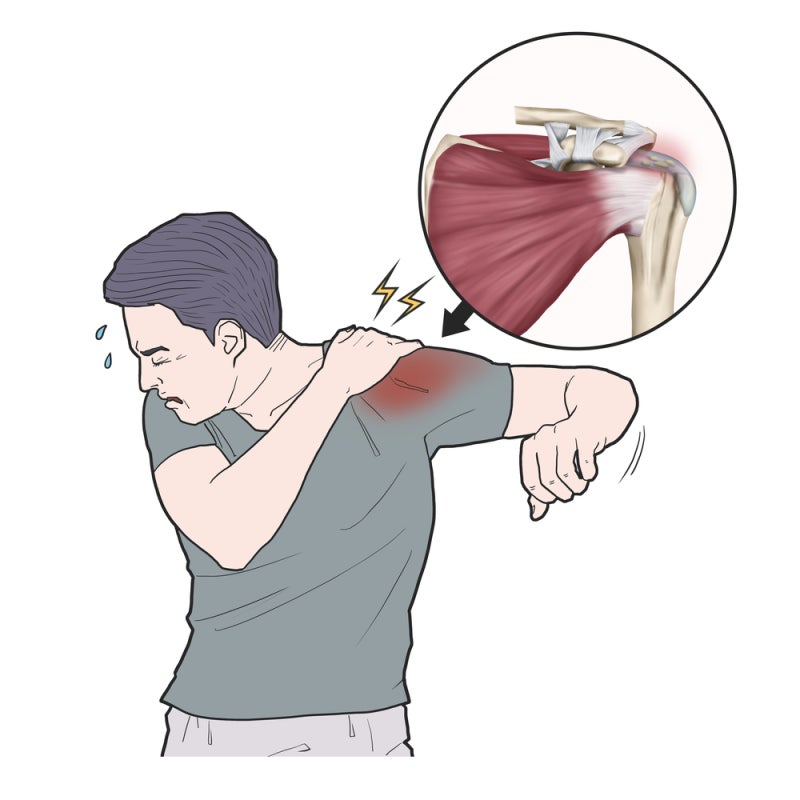
Recently, calcific tendinitis occurs not only in middle-aged and older adults but also in younger people due to shoulder overuse. Continuous fatigue from excessive shoulder use, external impact injuries, poor shoulder habits, and sports injuries can all lead to calcific tendinitis. Anyone who exercises excessively or has a job involving heavy shoulder use should be cautious regardless of age. The hallmark symptom of calcific tendinitis is severe shoulder pain. Sharp, piercing pain makes it difficult to raise the arm, limits daily activities, and pain often intensifies at night.
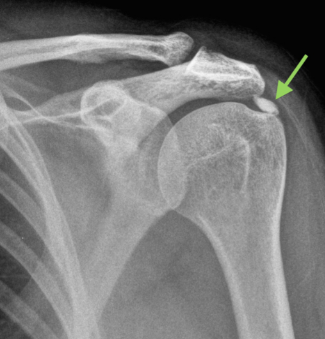
Diagnosis of calcific tendinitis is straightforward — it can be done with simple X-ray or ultrasound examination. Large calcium deposits appear as white spots around the shoulder bones on X-ray. Microscopic calcifications that are invisible on X-ray can be detected with ultrasound, which allows detailed observation of the size and shape of calcium deposits in the rotator cuff tendons. When diagnosing calcific tendinitis, it's important to check not only for calcium deposits in the rotator cuff tendons but also whether there is an accompanying rotator cuff tear. As mentioned, calcific tendinitis develops due to tendon aging. When calcium is present in the tendons, rotator cuff tears or tendinosis are often found as well. That's why both the calcium deposits and any tendon damage must be treated together to prevent recurrence.

If you find yourself repeatedly returning for calcific tendinitis treatment within months, it may be because the tendon damage wasn't addressed. When treating calcific tendinitis, always ensure that tendon damage is evaluated and treated simultaneously. Learn more about effective calcific tendinitis treatment
🔗 https://blog.naver.com/9690067/222917378053