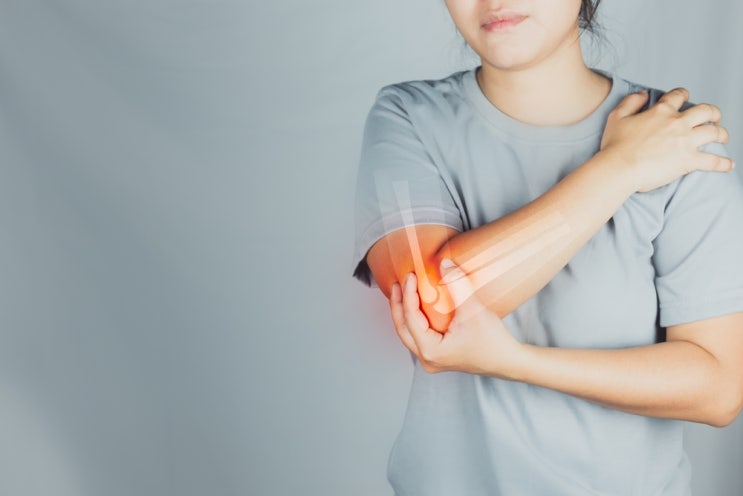
Managing a household is easier said than done — it's truly hard labor. Homemakers who use their arms extensively are easily prone to elbow conditions. After grocery shopping, carrying heavy items, cooking with a frying pan, or wringing out a mop — when these activities accumulate over time, elbow pain develops, leading to what's known as 'elbow tendinitis.' Today, we'll explain the differences between two types of elbow conditions.
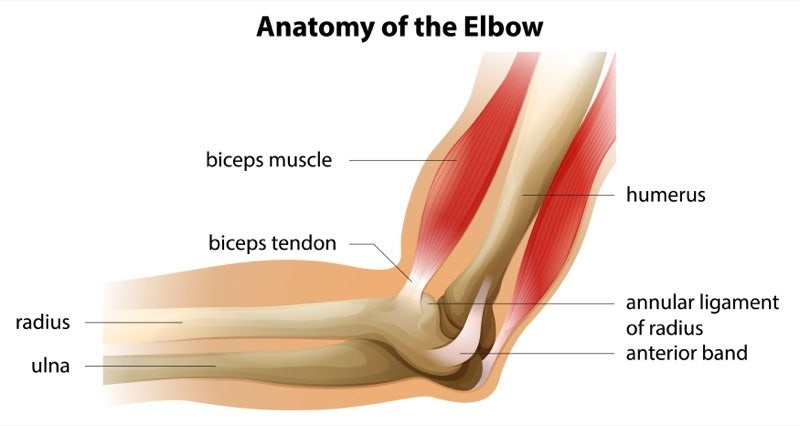
Elbow tendinitis comes in two types. What exactly are golfer's elbow and tennis elbow, and how do they differ? While they may seem similar, they are entirely different conditions.
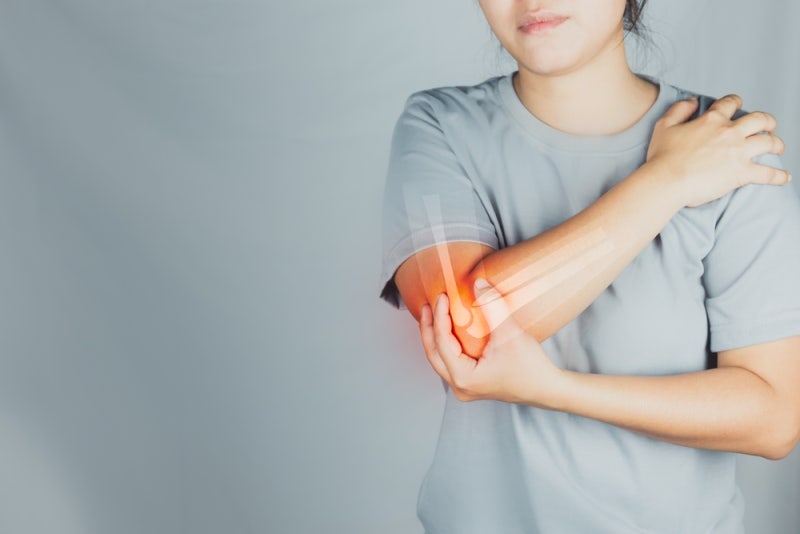
Golfer's elbow (medial epicondylitis) involves inflammation and micro-tears in the tendons on the inner side of the elbow, toward the pinky finger side. It was named golfer's elbow because it commonly occurs in frequent golfers, but in reality, most patients have little connection to golf — it primarily affects homemakers in their 30s-40s. Middle-aged women in particular are more susceptible to elbow joint damage because their arm and hand muscles are weaker than men's. Conversely, tennis elbow causes pain on the outer side of the elbow. Pain occurs on the thumb side, specifically on the lateral aspect of the elbow. The medical term is lateral epicondylitis. Since it involves muscles that extend the hand and wrist, pain worsens when bending the wrist backward.
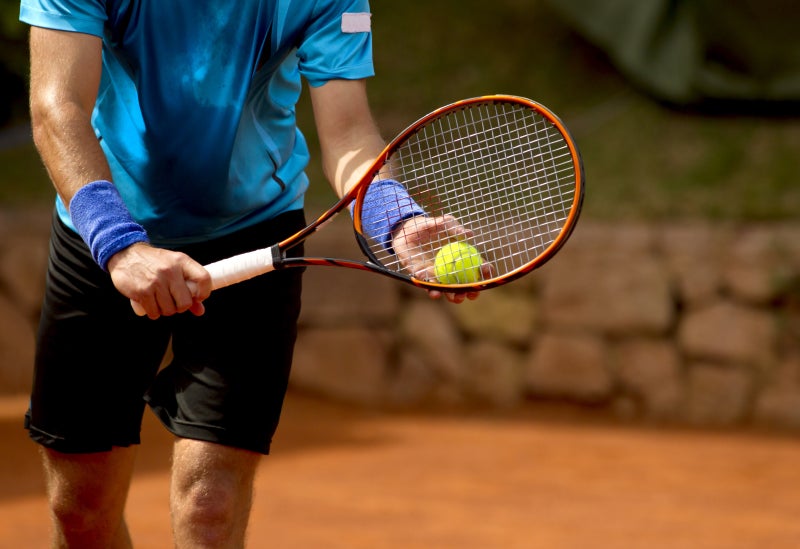
Tennis elbow got its name because it was commonly seen in tennis players in the past. The backhand motion in tennis involves heavy wrist use, leading to overuse and elbow pain. To distinguish between golfer's elbow and tennis elbow: if you hold a heavy object with your palm facing up and feel pain on the inner elbow, it's likely golfer's elbow; if you hold an object with your palm facing down and feel pain on the outer side, it's likely tennis elbow. Both golfer's elbow and tennis elbow are not caused by a single major impact but rather by accumulated stress from repetitive small impacts, which leads to inflammation or micro-tears. Excessive wrist use and impact cause inflammation in the tendons at the end of the muscles, resulting in elbow pain. If left untreated, the weakened tendons from inflammation can develop micro-tears.

As mentioned, while homemakers are commonly affected, the condition also frequently occurs in office workers who use computers extensively, professionals who use their arms heavily, athletes, and others — and it can lead to elbow joint damage. Although golfer's elbow and tennis elbow have clear differences, their treatment approaches are similar. Medication helps reduce pain, and extracorporeal shockwave therapy stimulates blood flow to the inflamed area, promoting new blood vessel formation and tissue healing.
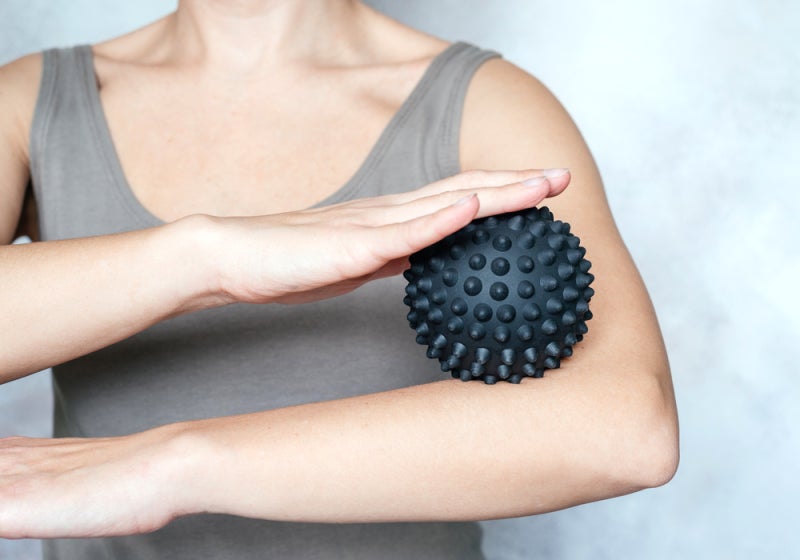
To prevent the muscle overuse that causes both conditions, wearing a forearm brace helps relieve tendon tension and protect the elbow ligaments from strain. In cases of severe pain, steroid injections may be used to suppress inflammation. However, injections should only be administered in a limited manner for acute, severe pain. To prevent golfer's elbow and tennis elbow in daily life, the most important thing is to avoid overusing the affected area. If pain develops, rest the area immediately in the early stages. Regular forearm stretching is also helpful.