
Many conditions can develop in the shoulder joint. While frozen shoulder and rotator cuff tears are familiar to most people, labral tears are less well known. The shoulder is the only joint in our body capable of 360-degree rotation and has the widest range of motion. While the shoulder's bone structure alone is inherently unstable, the rotator cuff tendons and surrounding muscles balance each other to provide stability, enabling free function of the arm and shoulder. However, trauma — such as falling on an outstretched arm or sudden pulling — can easily dislocate the shoulder.

In young athletes, labral tears are actually more common than rotator cuff tears. An anterior-posterior labral tear involves damage to the antero-inferior portion of the labrum — the white cartilage tissue that provides stability and acts as a guard to prevent the arm bone from dislocating. Even minor forces can cause the shoulder to dislocate forward and downward — stretching, playful arm pulling, or lifting heavy objects are common triggers. The shoulder joint can become loose or dislocate more easily than you might think.
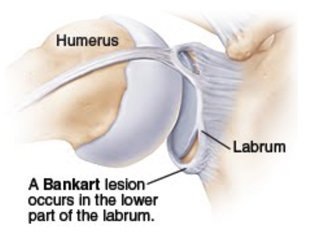
If the shoulder isn't properly treated after a first dislocation, it can lead to habitual (recurrent) dislocation. More than 90% of habitual dislocations involve labral tears. Recurrent dislocations occur because the labral tear from the initial dislocation never fully healed, undermining the stability that prevents the arm bone from slipping out. Repeated dislocations can also damage the glenoid (the socket that cradles the arm bone), leading to secondary arthritis. In severe cases, the arm may dislocate during trivial movements. That's why after a first dislocation, it's essential to check whether the rotator cuff, soft tissues, labrum, and other structures beyond the bones have been damaged. When a dislocation occurs, never try to reset the bone yourself — go directly to a hospital for proper diagnosis. Symptoms of labral tears include: 1. The shoulder feels heavy and the arm feels droopy. 2. Pushing up on the arm causes shoulder pain and a grinding sensation. 3. After the first dislocation, the arm frequently slips out during trivial movements or forces. 4. Even stretching makes the shoulder feel like it might dislocate. 5. No shoulder pain at rest, but anxiety about potential dislocation. 6. Hanging from a pull-up bar is extremely difficult.

Diagnosis requires X-ray and MRI. While simple X-ray can diagnose acute traumatic dislocations, additional imaging is needed to assess damage to soft tissues and other shoulder structures. Repeated dislocations don't just damage the glenoid — each dislocation causes the broken glenoid and arm bone to collide, also damaging the bone (Hill-Sachs lesion). Multiple structures in the shoulder sustain cumulative damage. Treatment falls into two categories: surgical labral repair and non-surgical approaches including isometric exercises and strengthening of surrounding soft tissues and muscles. Rehabilitation exercises to strengthen damaged tissue and muscles and restore balance are essential to prevent recurrence. For trauma-related labral tears with minimal glenoid damage treated immediately after injury, immobilization followed by adequate rehabilitation exercise can achieve recovery. If shoulder pain occurs during rehabilitation, injection therapy in consultation with the treating physician can reduce inflammation and enhance the effectiveness of rehabilitation.

Surgical treatment is indicated when symptoms have persisted for a long time with severe pain, significant soft tissue damage, and bone erosion (Hill-Sachs lesion) from repeated dislocations. Severe damage from a first dislocation may also require surgery. However, surgical restoration alone is not the end of treatment. Even with expert surgical technique, neglecting personal management can lead to re-injury. Consistent rehabilitation exercise is essential to restore joint flexibility, strength, and structural balance. Ultimately, what matters most in every case is early treatment initiation and consistent rehabilitation exercise — starting treatment sooner enables faster return to daily life, and rehabilitation prevents recurrence after treatment.