

In modern times, even relatively young people are visiting hospitals with shoulder pain complaints. This is attributed to the trend of increasing shoulder pain in younger age groups due to various sports activities and widespread smartphone use. The shoulder is composed of joints, ligaments, bursae, shoulder nerves, and muscles. Pain caused by problems in these shoulder structures is commonly referred to as "shoulder pain." Degenerative conditions like shoulder arthritis, rotator cuff tears from torn tendons, myofascial pain syndrome from muscle pain, and bursitis from bursa inflammation all fall under the umbrella of shoulder pain. The most representative shoulder conditions causing shoulder pain include rotator cuff tears and frozen shoulder. Among these, a rotator cuff tear is a condition where the tendons that move the shoulder become torn and damaged due to degenerative changes. The ability to raise the arm on your own is limited, but if someone else lifts your arm, it can be raised upward. As the rotator cuff tear progresses, it leads to weakening of shoulder muscle strength.
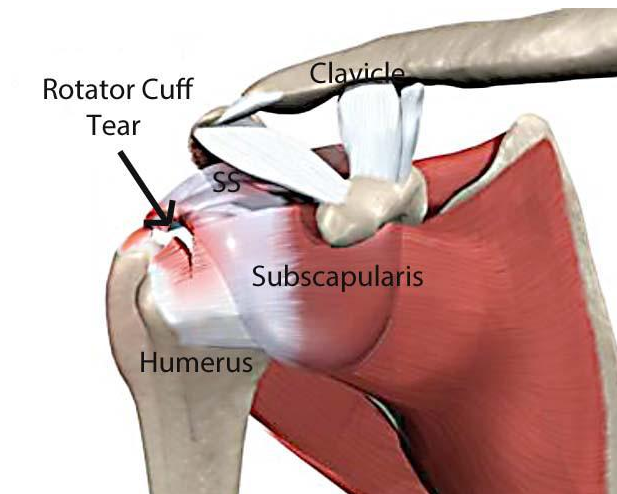
If your shoulder hurts and it is difficult to raise or move your arm on your own without any particular injury, you may want to suspect a rotator cuff tear. The subscapularis, supraspinatus, infraspinatus, and teres minor are four tendons covering the shoulder that are responsible for arm rotation and range of motion. They also play a crucial role in maintaining rotational movement and stability of the shoulder joint. When even one of these four tendons tears, we call it a rotator cuff tear. The causes of rotator cuff tears are varied.
1) Degenerative changes in shoulder tendons 2) Tendon wear and degenerative changes from repetitive shoulder activities or movements 3) Frequent arm use, especially repetitive overhead positions like raising arms above the head 4) Regular participation in sports that primarily use the shoulder, such as swimming or baseball
Rotator cuff tear symptoms are similar to frozen shoulder, which sometimes leads to misdiagnosis. Sudden pain may occur when raising the arm or moving the shoulder. Night pain makes it difficult to fall asleep, and pain worsens when lying on the affected shoulder. A catching sensation and friction sounds may occur with shoulder movement. Finally, weakening of shoulder muscle strength may cause loss of arm power. There are many misconceptions about diagnosing rotator cuff tears. Many doctors say that an MRI is necessary for an accurate diagnosis, but this is not entirely true. Doctors perform physical examinations to determine which condition is causing the shoulder pain. If a rotator cuff tear is suspected based on physical examination, ultrasound can confirm whether a rotator cuff tear is actually present.
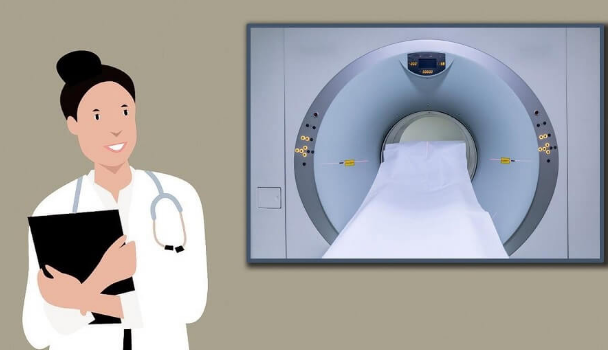
In the United States, ultrasound is commonly used for diagnosis. Ultrasound is more affordable than MRI and can detect degenerative tendon changes and ligament texture that MRI, which captures images in millimeter-thick slices, may miss, through real-time monitoring for more accurate assessment. However, the skill level of the physician performing the ultrasound is critically important. An experienced doctor with extensive knowledge of shoulder conditions must perform the examination for accurate results. When it comes to rotator cuff tears, patients naturally do not know the criteria and basis for choosing between surgical and non-surgical treatment. Most doctors simply show the damaged and torn tendons on MRI or ultrasound images and say it is a partial tear that can be treated non-surgically, or that it is completely torn and requires surgery. However, the decision for rotator cuff tear surgery is not based solely on imaging findings.

Even with the same rotator cuff tear, the treatment plan is developed by accurately identifying the tear location, extent, and characteristics for each patient, taking their individual indicators into consideration. To decide between non-surgical and surgical treatment for a rotator cuff tear, the doctor performs a thorough physical examination checking the shoulder joint and ligaments by hand, reviews how and when the patient first experienced pain, their pain patterns, history of response to conservative treatment, and considers the patient's age, activity level, time of initial pain onset, and imaging interpretation as a comprehensive assessment. Contrary to the common belief that more extensive rotator cuff tears always require surgery, in reality, pain and tear characteristics must be evaluated together when determining the treatment direction. It is not the case that extensive tears always require surgery, nor that small tears will always heal with injection therapy alone. If a rotator cuff tear is suspected, please see a specialist and receive appropriate treatment to prevent further progression of the tear. Remember to get the right treatment at the right time. See rotator cuff tear treatment information https://blog.naver.com/9690067/222837610127
🔗 https://blog.naver.com/9690067/222837610127