
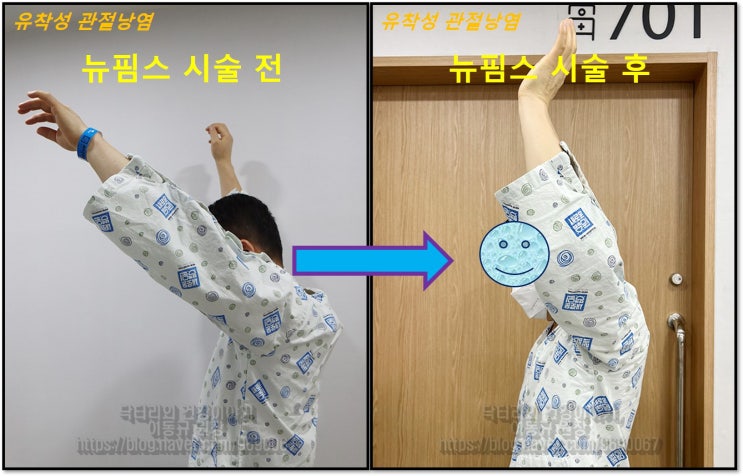
Hello. I'm Dr. Dongkyu Lee, an orthopedic specialist. Today, let's think about how to treat frozen shoulder that doesn't respond to treatment. Frozen shoulder is a condition where inflammation develops in the joint capsule for any reason, causing the capsule to become adhesed, leading to pain and restricted range of motion. In simple cases, treating the capsule inflammation and performing range of motion rehabilitation can be fully effective. However, if the frozen shoulder was caused by another underlying condition, that root cause must be addressed for the frozen shoulder to resolve. Possible underlying causes include rotator cuff disease, calcific tendinitis, and other shoulder conditions. Internal medical conditions such as diabetes or thyroid disease can also contribute to frozen shoulder. If you've been treated for frozen shoulder without improvement or with recurring relapses, the first step should be identifying the exact cause. The case I'll show you is a patient who was diagnosed with and treated for frozen shoulder for 4 years, but experienced repeated relapses and pain severe enough to prevent sleeping at night. The patient had tried every treatment available — injections, shockwave therapy, manual therapy, and more — and even received PIMS treatment at another hospital without improvement, which is why they came to me.
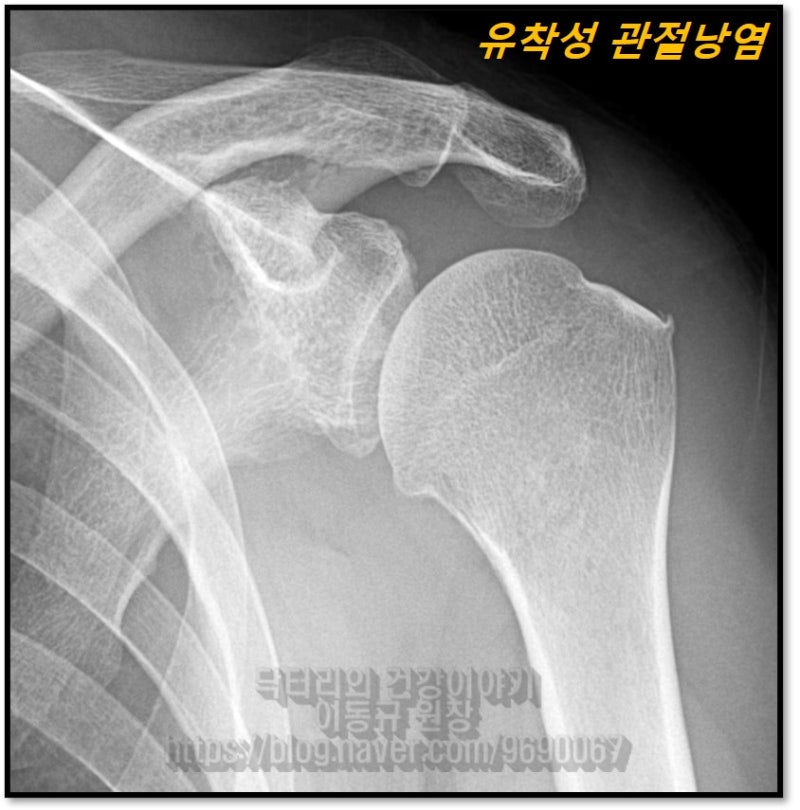
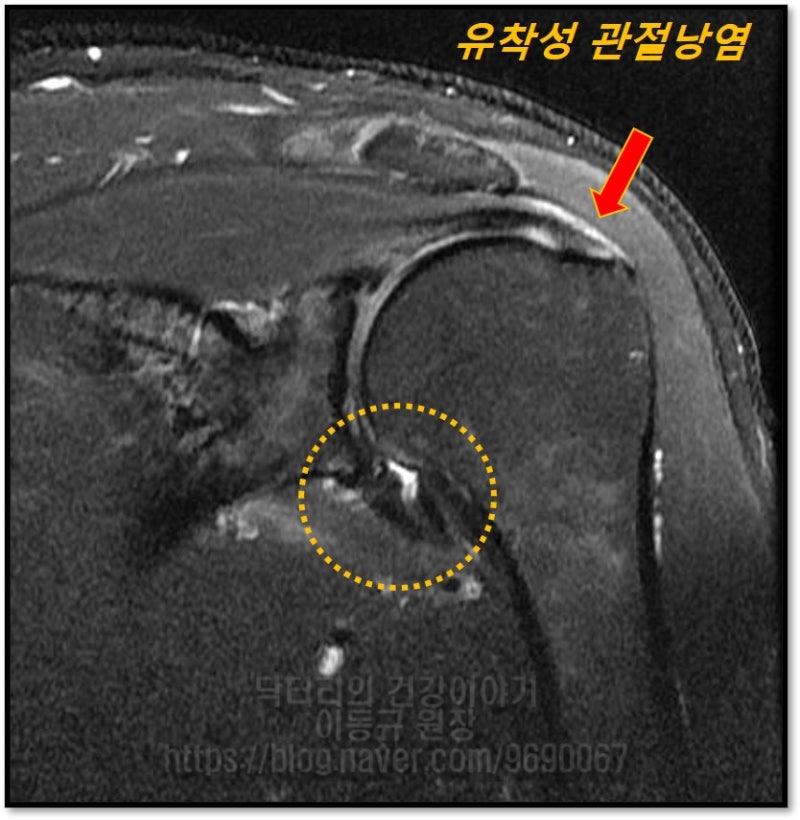
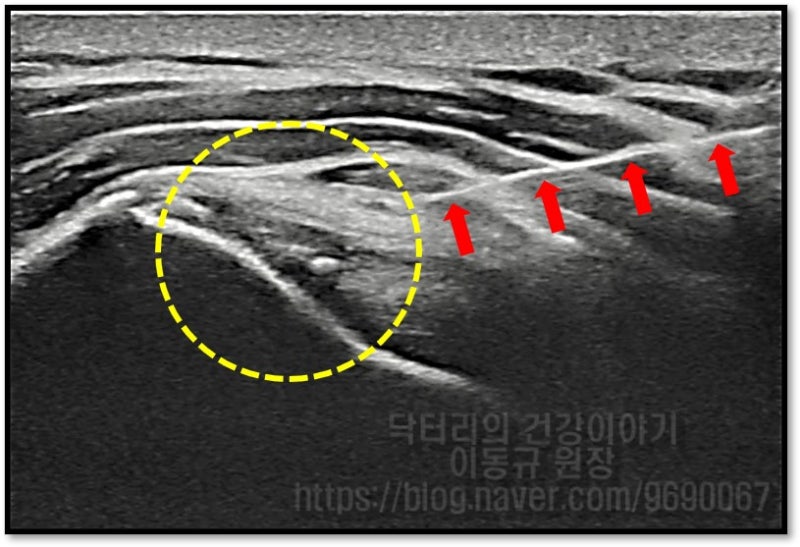
In this patient's case, the unhealed partial damage of the supraspinatus likely caused repeated inflammation, which in turn prevented the adhesive capsulitis (frozen shoulder) from resolving. NewPIMS treatment was performed to simultaneously address both the partial supraspinatus damage and the adhesive capsulitis.
After the NewPIMS treatment, additional prolotherapy was performed for the damaged supraspinatus.
Right after the NewPIMS treatment, the patient was satisfied that the pain had improved. A total of 5 weeks of treatment was provided, and afterward, the patient recovered to the point of having no difficulty in daily life or exercise.
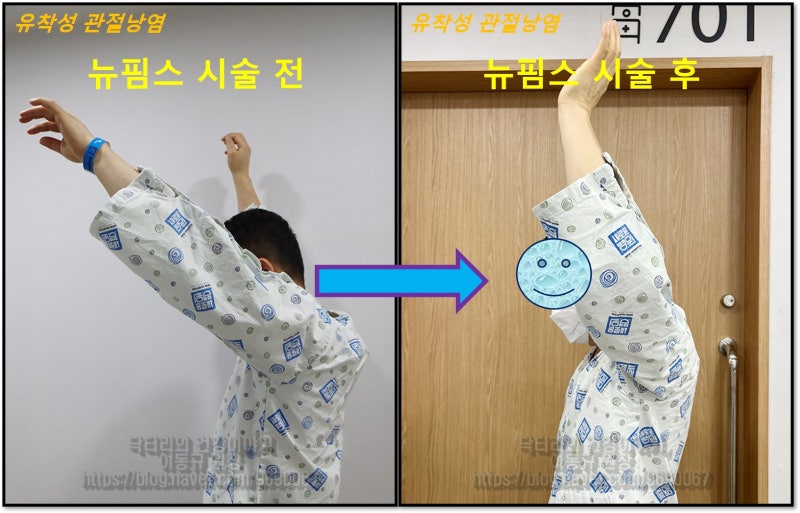
Frozen shoulder is a painful condition that causes significant range of motion limitation, making daily life difficult.
If your frozen shoulder hasn't responded to long-term treatment, first get a proper re-diagnosis and address the root cause — that should help you escape the suffering of frozen shoulder.
And if that cause can be treated non-surgically, NewPIMS treatment will definitely be of help.