Hello. I'm Dr. Dongkyu Lee, an orthopedic specialist. On November 30th, I had a YouTube filming session with BiOnDi. I talked about shoulder conditions while introducing my book. I was surprised at how many viewers tuned in and asked all sorts of questions. The message I want to share is: if you have shoulder pain, get a proper diagnosis first, and then receive treatment accordingly. In shoulder conditions, surgery is only needed for complete rotator cuff tears and labral tears from dislocations. For all other conditions, conservative treatment is perfectly viable, so don't be afraid — find the cause of your pain and get treated. https://www.youtube.com/watch?v=yXM-qzMdkEg
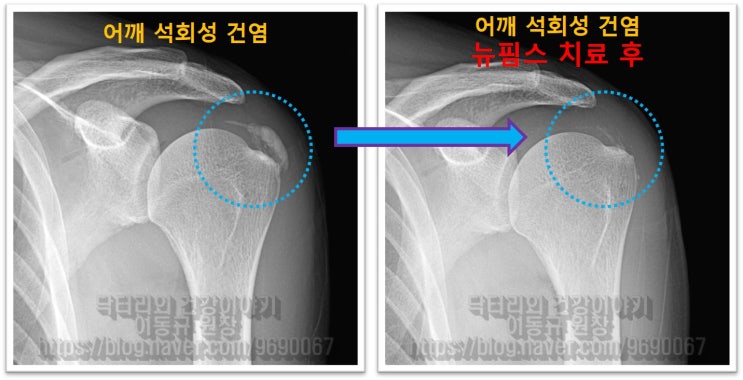
Shoulder calcific tendinitis can also be fully treated non-surgically. The NewPIMS treatment (calcium crushing and aspiration) I perform is a non-surgical procedure that removes calcium deposits. This case involves a patient who traveled from Busan. The patient had extremely severe shoulder pain and was told at a hospital in Busan that the calcium was too large and required surgery. As a business owner, surgery simply wasn't feasible, so the patient searched for non-surgical options and found me. Let's look at the images first.
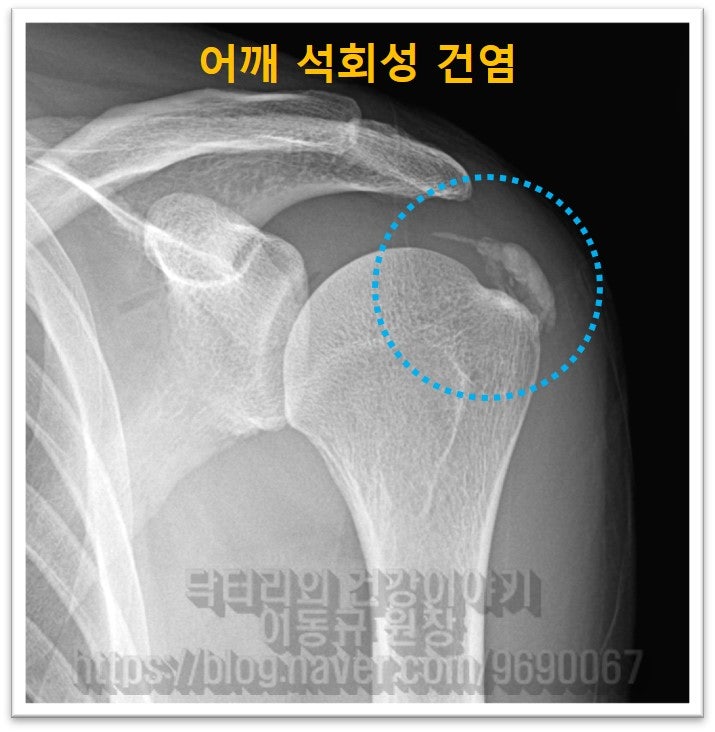
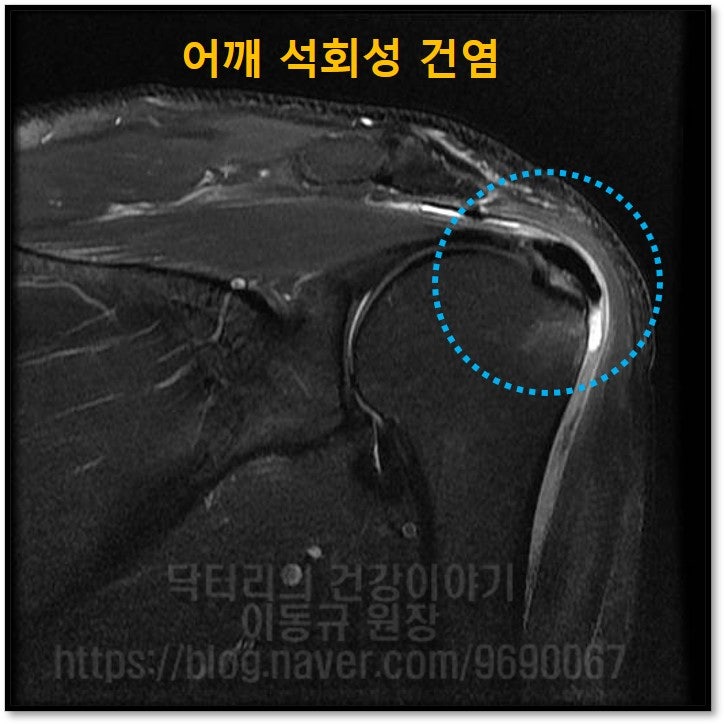
Even with a significantly large calcium deposit like this, non-surgical treatment is fully possible. NewPIMS treatment (calcium crushing and aspiration) was performed.
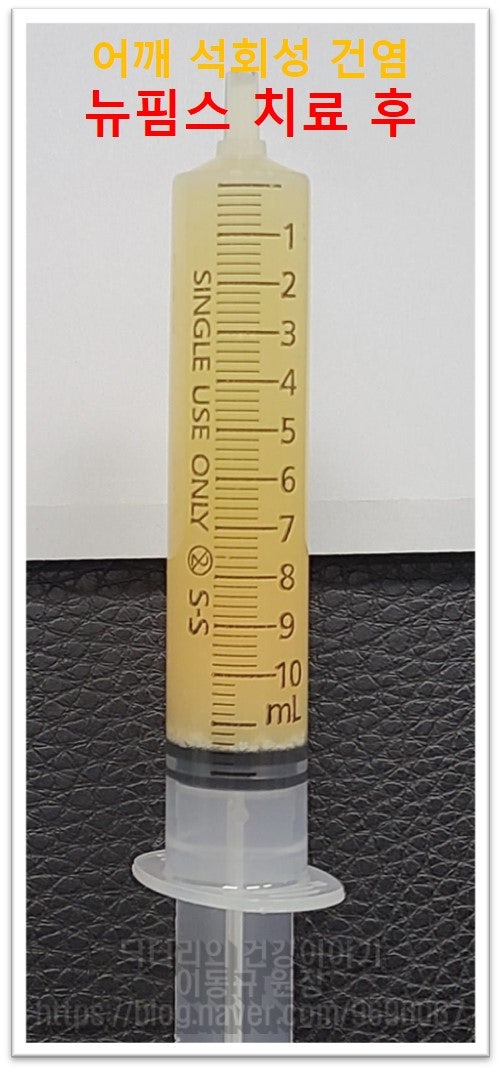
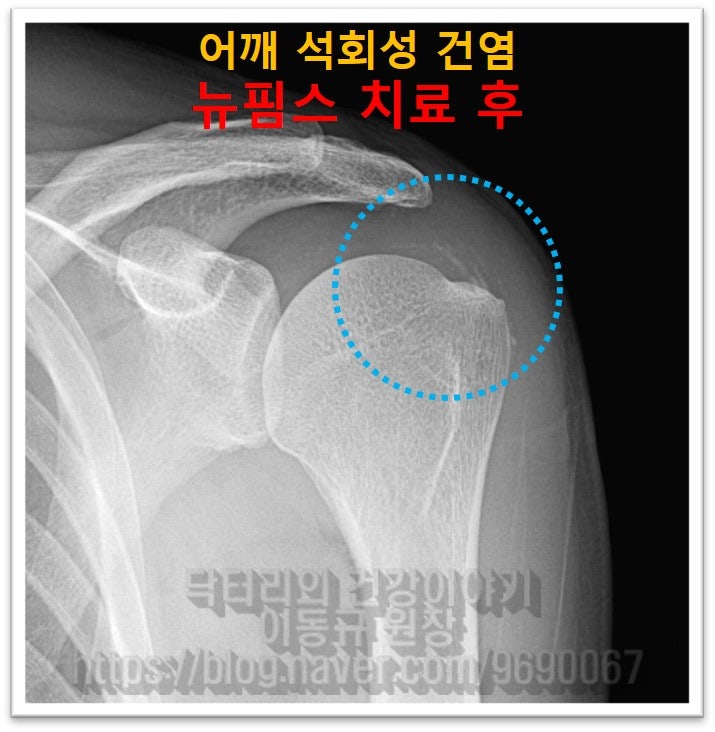
The remaining calcium will be absorbed through additional shockwave therapy.
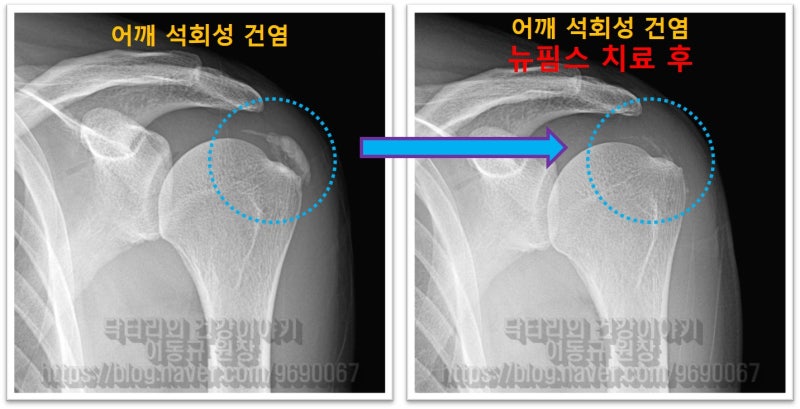
The patient said the pain disappeared almost immediately after the procedure, as if by magic. Calcific tendinitis doesn't require surgery just because the deposit is large. Even large deposits can be fully removed non-surgically. Of course, non-surgical calcium removal requires skilled technique and extensive experience. The approach may vary depending on the calcium's characteristics, size, and location.
If calcium is not properly removed, tendon damage can occur, so it's best to be treated by a physician with extensive experience.