
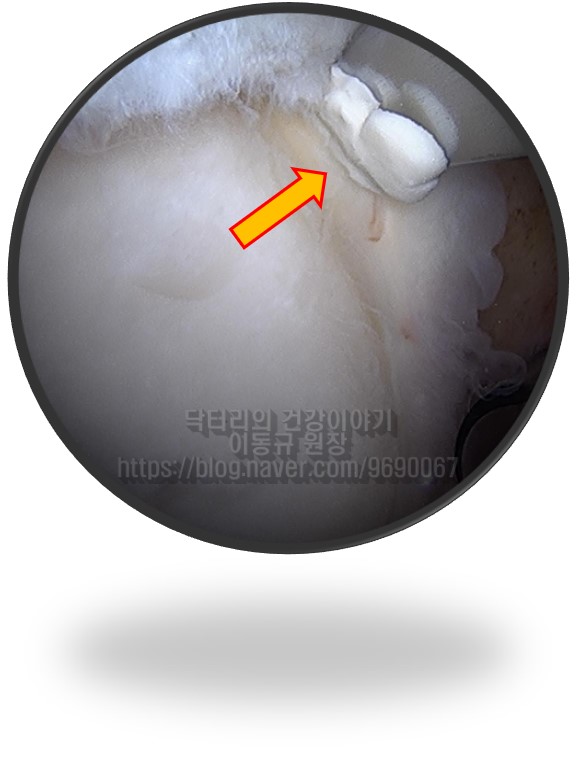
Calcific tendinitis is a condition that causes very severe pain. It most commonly occurs within the rotator cuff. When it develops in a tendon, every movement of that tendon causes excruciating pain. But what if calcific tendinitis develops somewhere other than a tendon? This case involves a 43-year-old female patient who was actively working as a fitness model and competing at a level where she participated in competitions. For 2 years, she had developed shoulder pain with severe pain radiating to the posterior shoulder and scapular area. The symptoms resembled referred pain from a cervical disc problem or thoracic outlet syndrome. The patient had even gotten cervical and shoulder MRIs at another hospital but received no specific diagnosis, was told it was probably a cervical spine issue, and had only been receiving injection and manual therapy. However, symptoms didn't improve and the pain continued to worsen with decreasing strength, which is why she came to me. Physical examination was performed. No particularly notable findings, but the biceps load test, O'Brien test, and external rotation test were positive. These findings were suggestive of a labral pathology. Let's examine the imaging studies she brought.
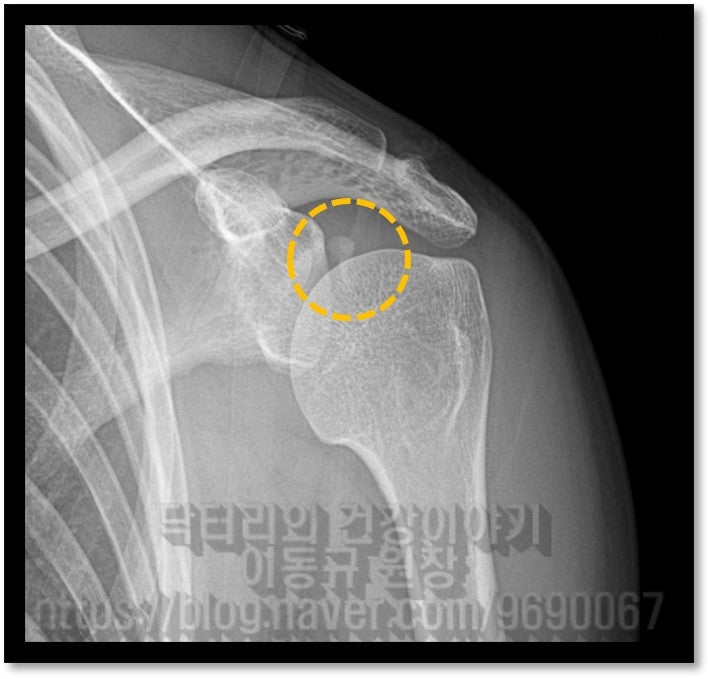
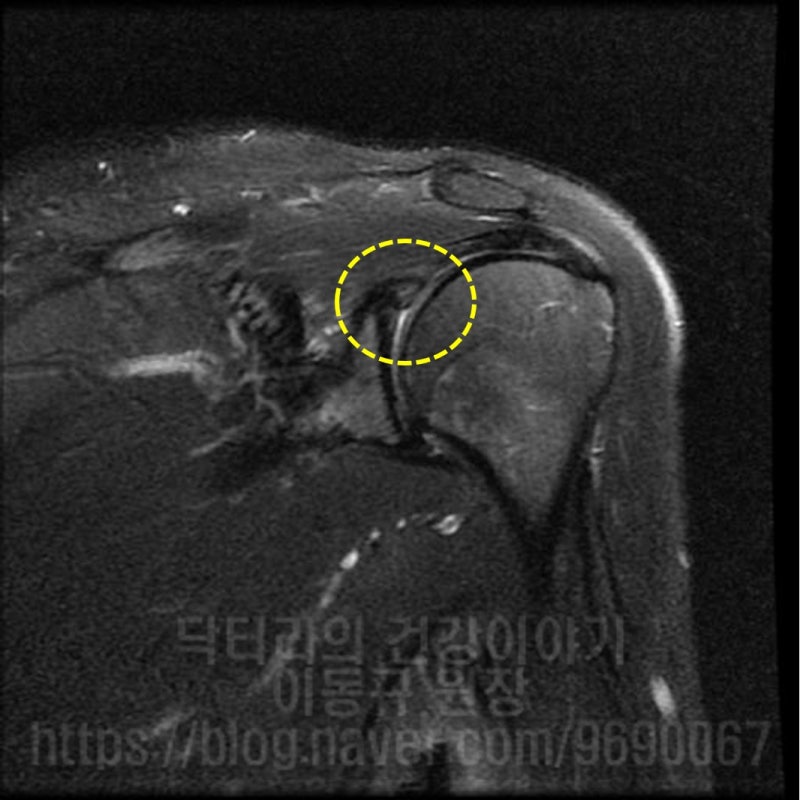
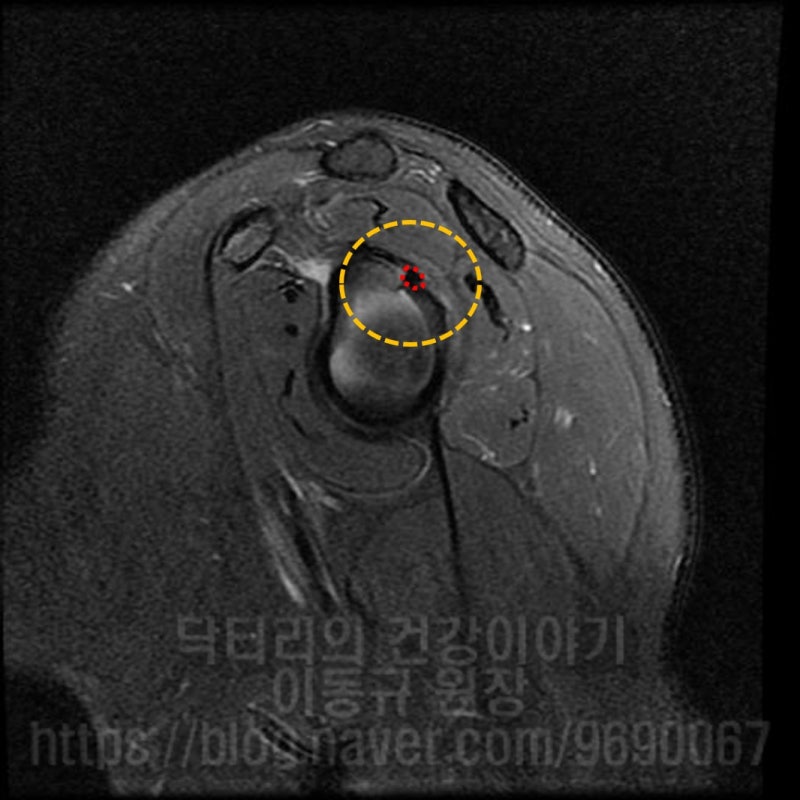
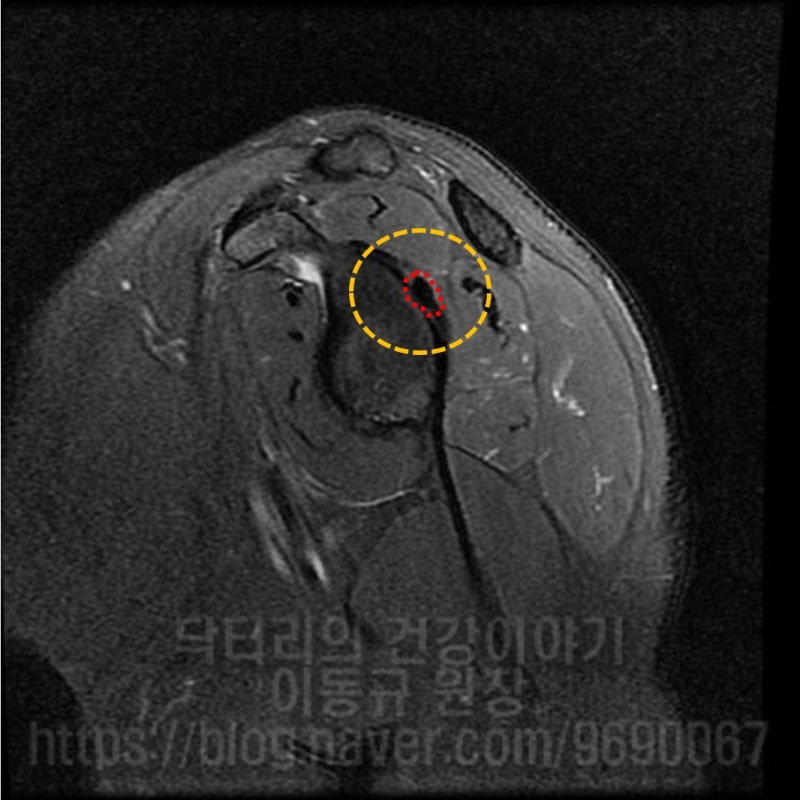
Cervical X-ray and MRI were also reviewed with no notable findings. In summary, this patient had calcium in an unusual location causing shoulder pain, and because the inflammation was near the suprascapular nerve, it was misdiagnosed as a cervical spine problem and went without proper treatment. Due to the location, NewPIMS treatment (calcium crushing and aspiration) was not possible. Surgical treatment was decided to simultaneously address the superior labral tear.
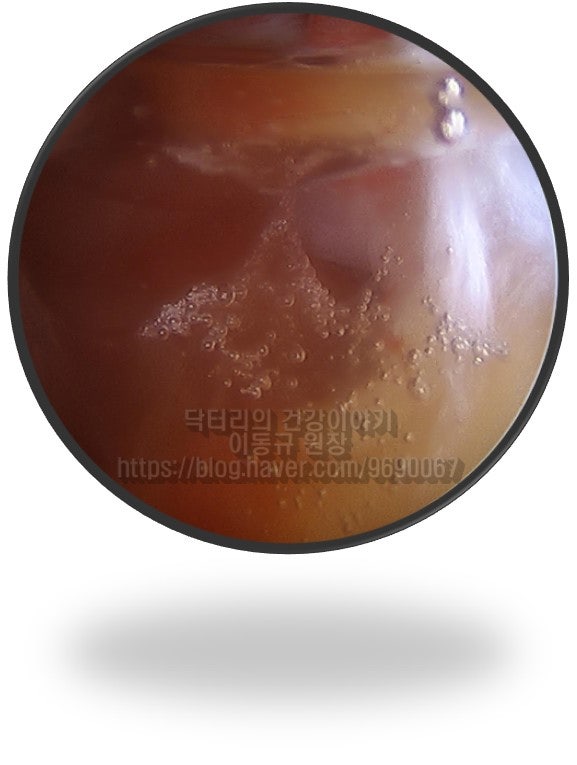
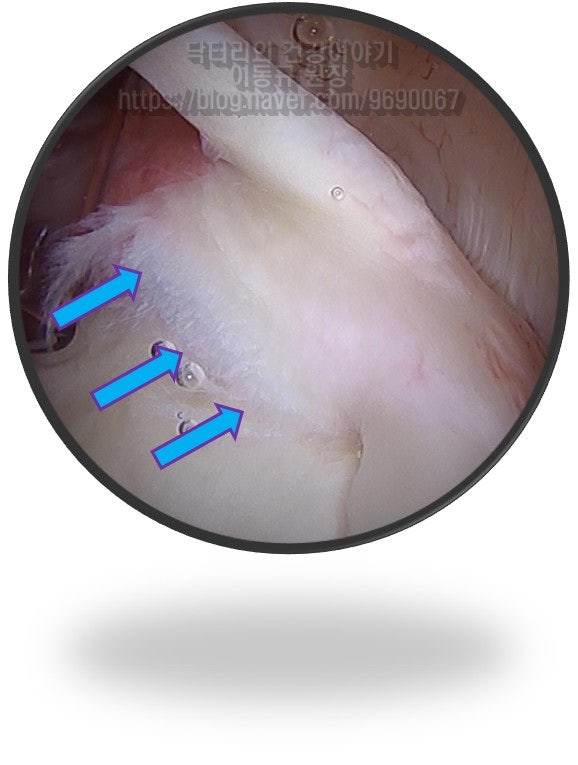
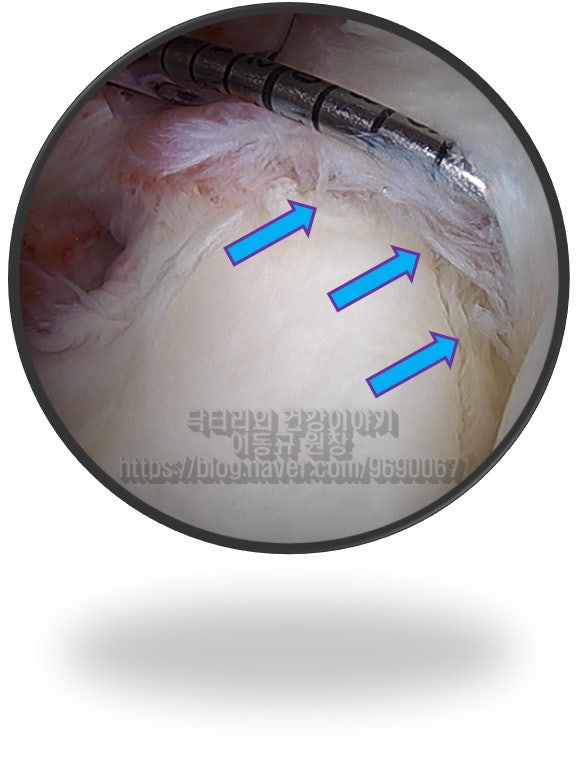
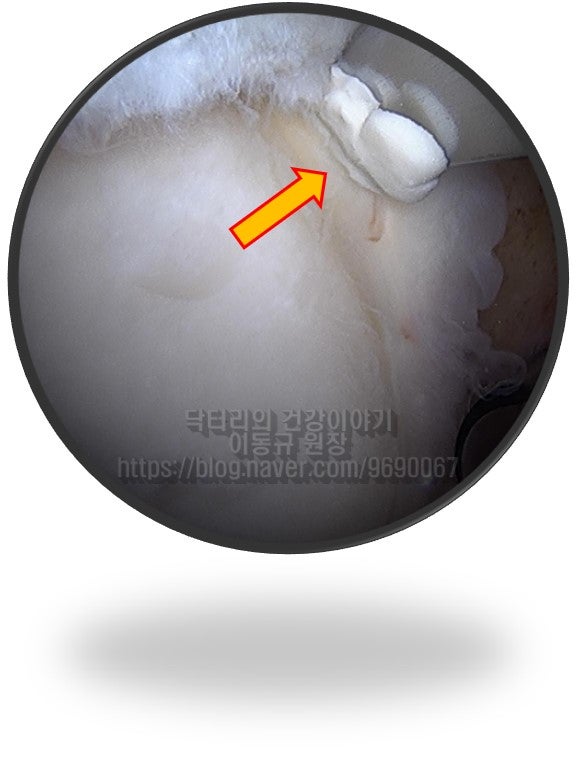
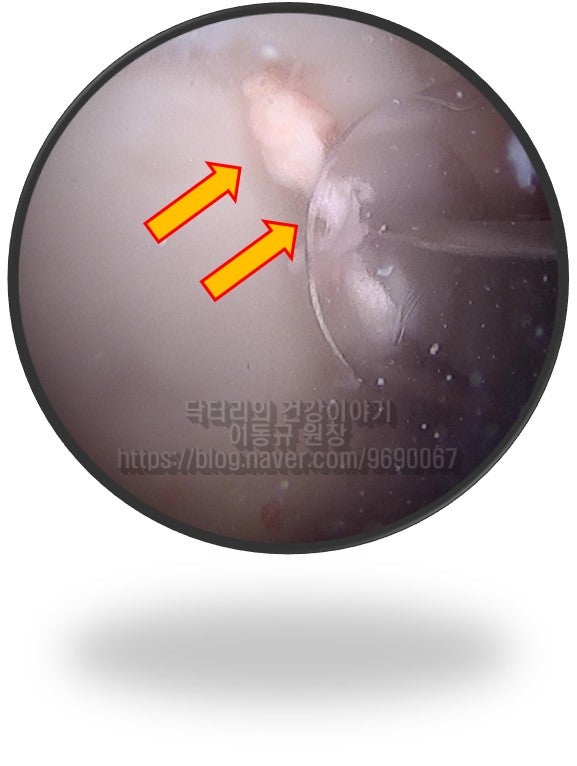
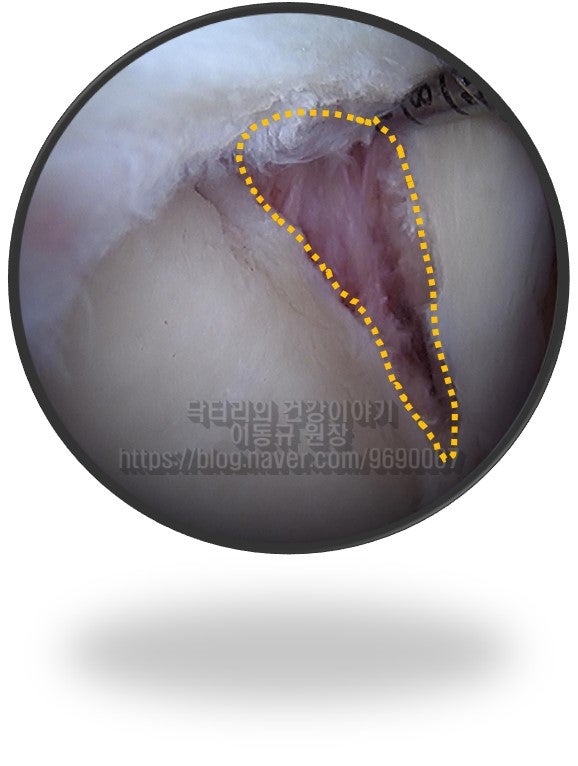
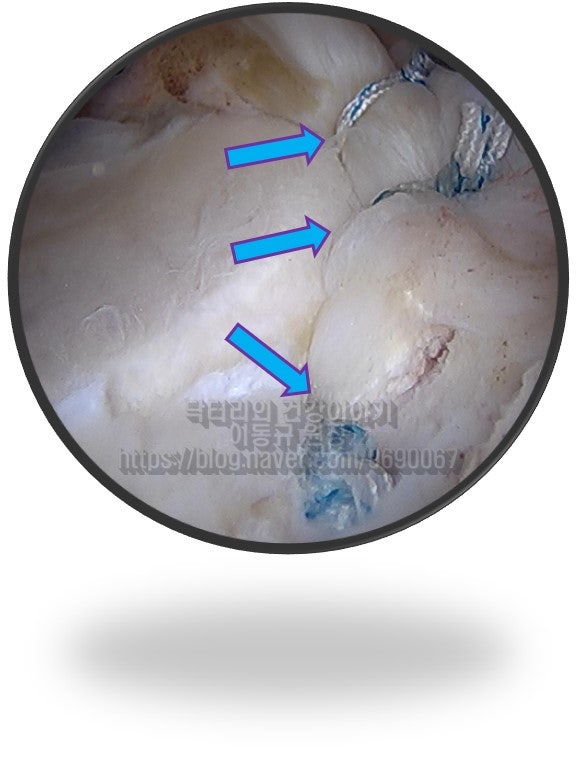
The patient was extremely satisfied after surgery, saying the pain she had been feeling was completely gone. She had been depressed because she couldn't exercise — something she loved — and told me how difficult it had been. Now, with rehabilitation ahead and the prospect of returning to exercise, she was incredibly grateful. No two cases of disease are the same. That's why careful listening and thorough examination are essential. I believe a patient's condition should never be diagnosed based solely on imaging alone. Listening to the patient's symptoms, performing a physical examination, and correlating findings with imaging studies is how proper diagnosis should be made.