

A 38-year-old female patient presented after being diagnosed with a clavicle fracture 3 months prior. She had been treated conservatively with a Velpeau bandage, and while the fracture had healed, she experienced severe joint range of motion limitation and pain, leading her to visit Platinum Clinic. The patient resides abroad and had already undergone an MRI. She came to Platinum Clinic seeking a more accurate diagnosis and treatment. Physical examination revealed Forward Flexion (60/150), Abduction (60/150), Internal Rotation (20/40), External Rotation (40/90), indicating significant range of motion restriction.
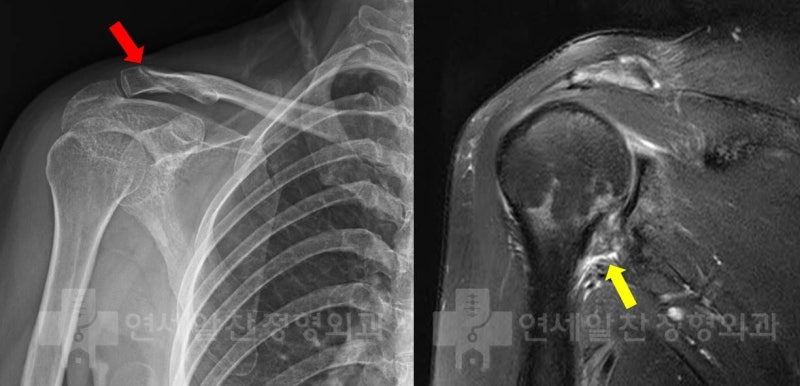
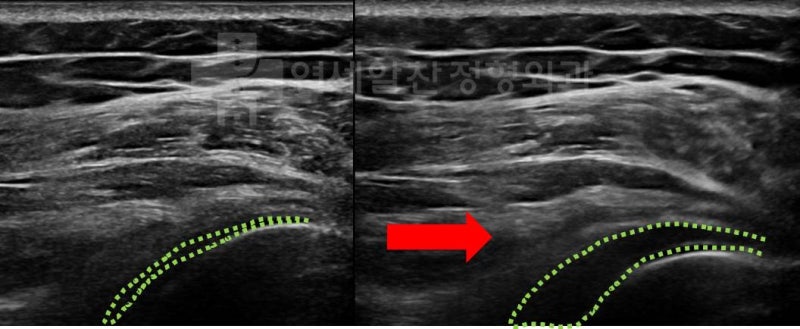
With the fracture already healed, a diagnosis of adhesive capsulitis caused by prolonged immobilization following the fracture was made. Hydrodilatation and rehabilitation therapy were recommended.
Restoring range of motion in the shoulder can often be achieved by addressing the shoulder joint itself. However, in some cases, dysfunction related to thoracic or cervical spine issues can make treatment less effective. Looking at the overall posture of this patient:
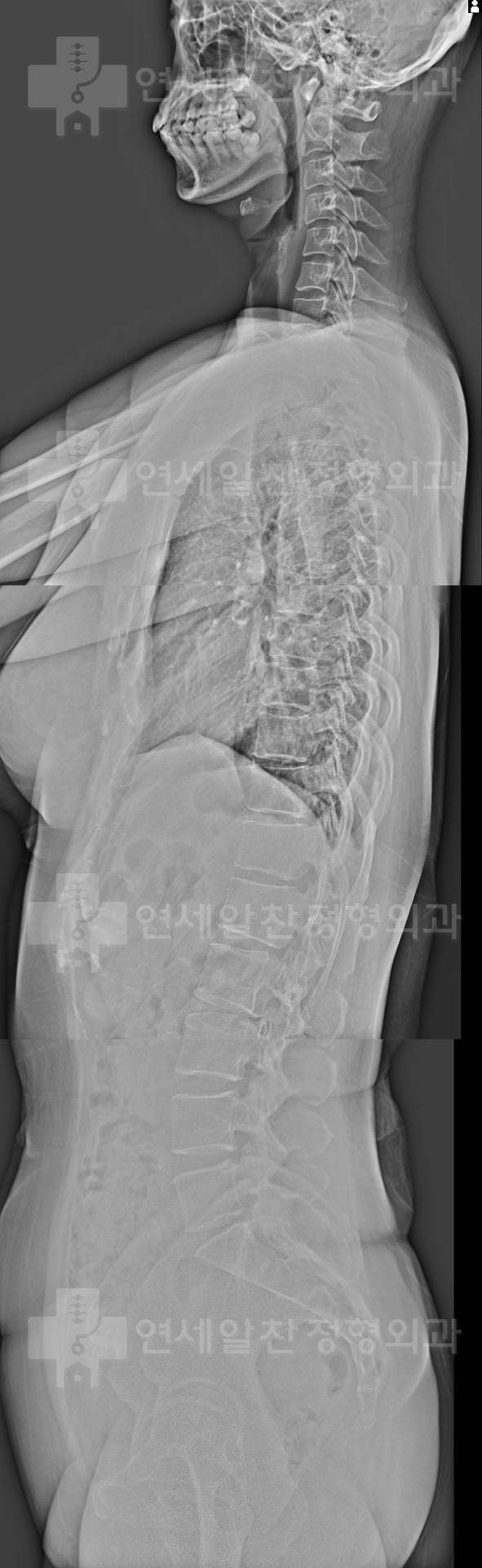
The normal spinal lordosis and kyphosis are absent, showing a straight spine. In particular, the loss of thoracic kyphosis means reduced thoracic mobility, which very likely affects scapular stability and movement. Rehabilitation was therefore directed at addressing this. Due to the patient's circumstances of living abroad, the program was primarily focused on homework exercises, and continuing rehabilitation abroad was recommended. Thankfully, the patient returned to our clinic 3 months later for a follow-up. She reported significant improvement in both pain and range of motion.

While there is still room for improvement, the range of motion limitation has improved significantly compared to before. We recommended continued rehabilitation for both the thoracic spine and shoulder joint. Although her stay in Korea was brief, she worked hard at our rehabilitation center, learned the exercises, and we look forward to seeing her again. Seeing patients who travel from abroad reminds us once more of our commitment to providing the most accurate and thorough treatment possible.