


Finding an effective frozen shoulder treatment may seem difficult, but it's actually not as hard as you might think. If you can accurately identify what caused your frozen shoulder during diagnosis, you're already halfway to being cured. There are two main causes of frozen shoulder. The first is naturally occurring frozen shoulder due to aging. The second is frozen shoulder caused by secondary factors such as diabetes or other medical conditions, rotator cuff tears, or post-surgical complications.

First, you need to clearly identify which category you fall into, and then determine the specific cause of your frozen shoulder. The first step in frozen shoulder treatment is to restore range of motion by loosening the stiff shoulder and reducing inflammation. Shoulder inflammation can usually be improved with steroid injections. Steroid injections alone can reduce inflammation and significantly decrease shoulder pain. However, just because shoulder pain disappears after a steroid injection doesn't mean frozen shoulder treatment is complete.
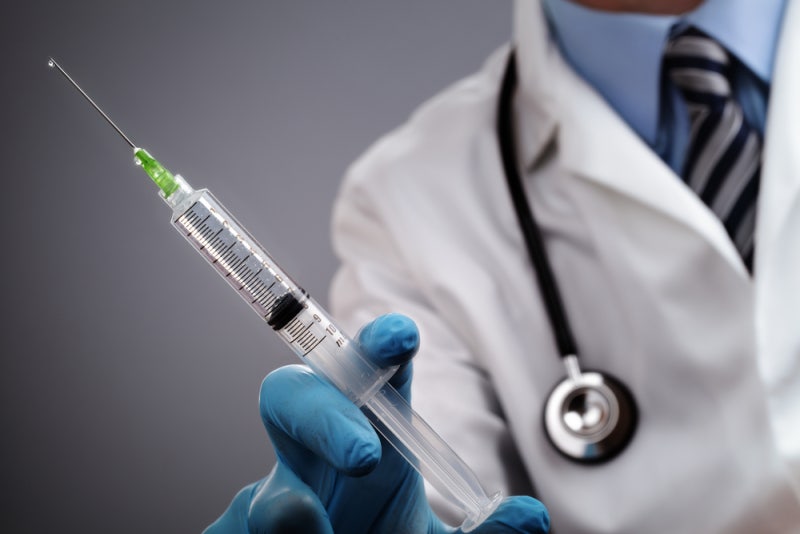
While an anti-inflammatory injection can temporarily relieve shoulder pain, once the medication wears off, the pain returns. Without treating the underlying cause, frozen shoulder symptoms will recur repeatedly. To achieve lasting results, treatment should go beyond injections and incorporate various approaches. Generally, non-surgical methods are prioritized for frozen shoulder treatment. Common treatments include physical therapy, medication, injection therapy, manual therapy, and shockwave therapy. Manual therapy involves a physical therapist working to increase the shoulder's range of motion. It strengthens muscles weakened by frozen shoulder and provides rehabilitation exercises to help the shoulder regain its previous function.

A key characteristic of frozen shoulder is reduced range of motion and functional decline. Manual therapy addresses these symptoms, helping the shoulder return to its pre-pain state. Another frozen shoulder treatment is extracorporeal shockwave therapy. This directly stimulates shoulder tissue and increases blood flow around the shoulder, accelerating pain recovery. However, even the best treatments don't work equally well for everyone. A common scenario is patients researching treatments online and then coming to the clinic asking for specific treatments they've read about. This approach may not yield the desired results. Even with the same condition, the causes of frozen shoulder vary from person to person, and not every treatment addresses every cause.

Therefore, for effective frozen shoulder treatment, first get diagnosed to identify the cause, then find the treatment approach that matches. Regardless of which treatment you receive, combining it with manual therapy to restore range of motion and rehabilitation exercises to improve shoulder function is important. With an accurate diagnosis by a shoulder specialist, a personalized treatment plan, and rehabilitation exercises to restore function, you can achieve a healthy shoulder without surgery.