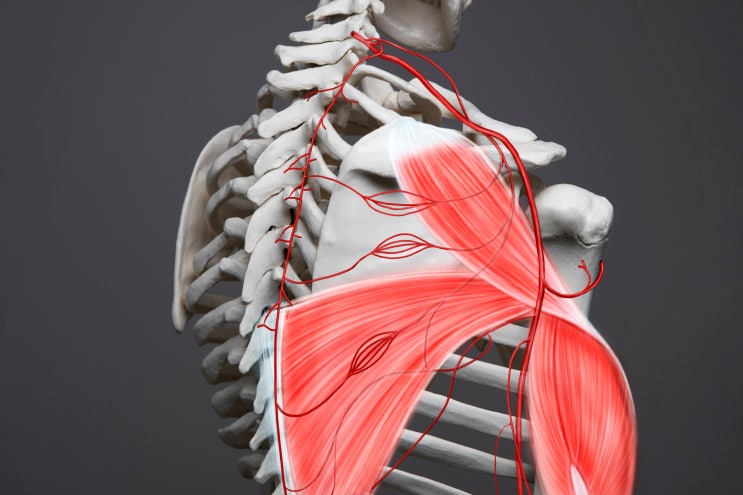
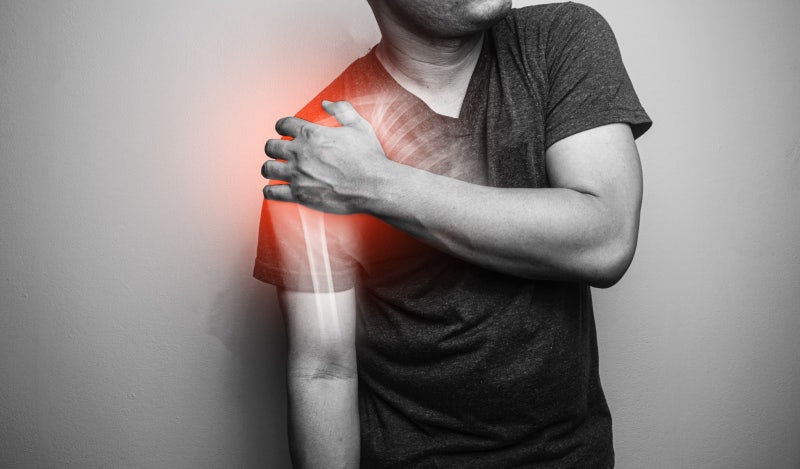
Shoulder calcific tendinitis means that stones have formed within the rotator cuff tendons that control shoulder movement. Once calcification develops in the tendon, it causes extreme shoulder pain day and night. Pain typically appears not during the formation stage when calcification is building up, but rather during the absorption stage as time passes. In severe cases, the shoulder can swell, generate heat, and cause such intense pain that an emergency room visit is necessary. As pain naturally reduces shoulder use, range of motion drops dramatically. By the time pain develops, the calcification has been building and hardening for a long time, and since it's now entering the absorption phase, prompt treatment is needed.
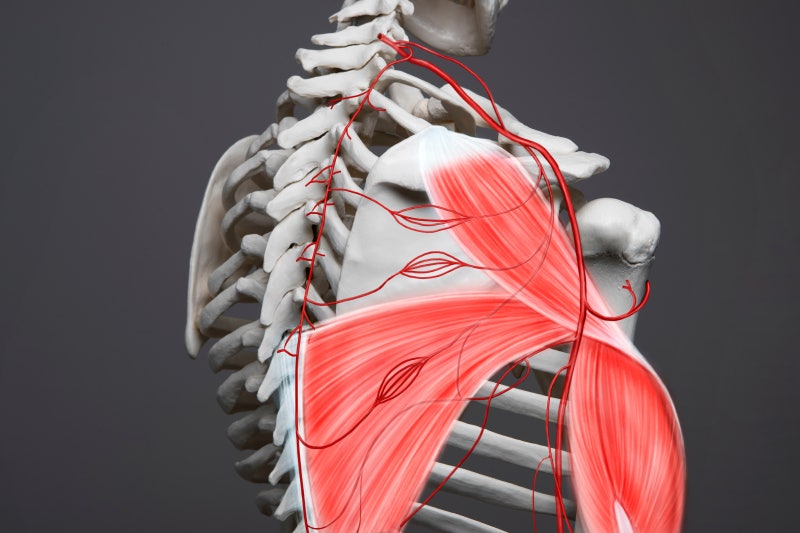
So why does shoulder calcific tendinitis develop? While it can be caused by medical conditions like diabetes, the primary cause for most cases is "restricted blood flow to the tendons." For various reasons, blood supply to the tendons becomes limited, depriving them of nutrition. This leads to degenerative changes in the tendons, resulting in calcification deposits. In other words, think of calcification as the "remains" of tendons that starved to death from lack of blood supply. This is why patients with shoulder calcific tendinitis often have weakened or partially damaged tendons in the surrounding area.

In practice, during calcific deposit aspiration, when the shoulder tendons aren't healthy, the calcification may not aspirate properly and instead spread to surrounding areas or scatter through torn tendon fibers. In such cases, regenerative therapy should be performed simultaneously with calcific tendinitis treatment to also address the weakened rotator cuff tendons. For calcific tendinitis treatment and recurrence prevention, alongside calcification removal through calcific deposit aspiration, it's worth considering additional regenerative prolotherapy to strengthen weakened rotator cuff tendons, reduce shoulder pain, and restore range of motion. If previous calcific tendinitis treatments haven't improved symptoms, rather than focusing solely on calcification removal, consider a dual approach that treats the underlying damaged rotator cuff tendons as well, addressing the fundamental cause of calcification formation and recurrence for lasting shoulder health! Learn more about 'calcific deposit aspiration' treatment
🔗 https://blog.naver.com/9690067/222801103857