

Shoulder pain has become a chronic problem for modern people. Poor posture from excessive computer and smartphone use leads to faster tendon aging and degenerative changes, making shoulder pain common across all age groups. While the underlying cause may be the same, it can lead to various shoulder-related conditions. If shoulder pain occurs frequently, you should suspect more than just simple muscle soreness — it could be a shoulder condition. Today, we'll introduce the most common shoulder conditions seen in patients with shoulder pain.

The most commonly diagnosed condition among patients who visit hospitals for shoulder pain is myofascial pain syndrome. The next most common conditions are rotator cuff tendon damage, followed by adhesive capsulitis (commonly known as frozen shoulder). 1. Myofascial Pain Syndrome

Myofascial pain syndrome is a condition where muscle pain develops due to muscle stress, poor posture, or repetitive movements. It is characterized by pain during movement and increased pain when pressing on the trigger point. For temporary myofascial pain syndrome, physical treatments such as light stretching, massage, and warm compresses can help relax the muscles and reduce pain. If pain persists, injection therapy can be used to temporarily destroy trigger points within the muscle.
2. Rotator Cuff Tear and Tendinosis
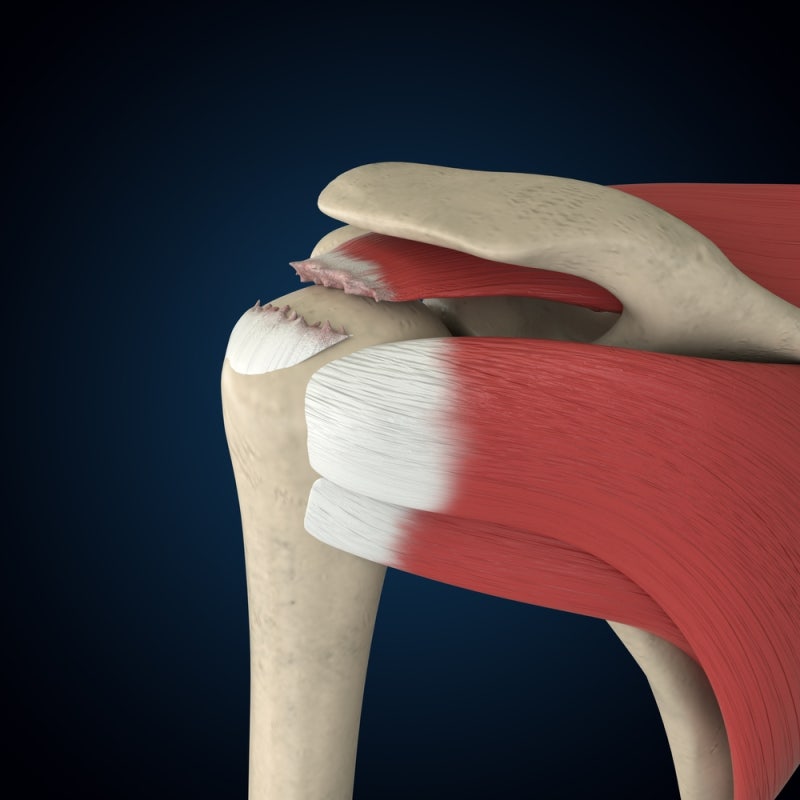
The rotator cuff refers to the four tendons that wrap around the upper arm bone in the shoulder. Overuse, poor posture, and degenerative changes can cause inflammation or tears in these tendons. As a rotator cuff tear progresses, pain intensifies during specific movements such as raising or putting the arm behind the back. In the early stages, pain only occurs when rotating or lifting the arm sideways, but as the tear progresses, pain can become so severe that the arm cannot move at all, potentially leading to frozen shoulder and restricted joint movement. Early treatment involves medication and physical therapy to manage pain, followed by staged rehabilitation exercise based on tendon condition. Since damaged tendons cannot regenerate on their own, treatments such as prolotherapy or bone marrow stimulation regeneration therapy may be needed to promote tendon repair depending on the degree of tear.
3. Adhesive Capsulitis
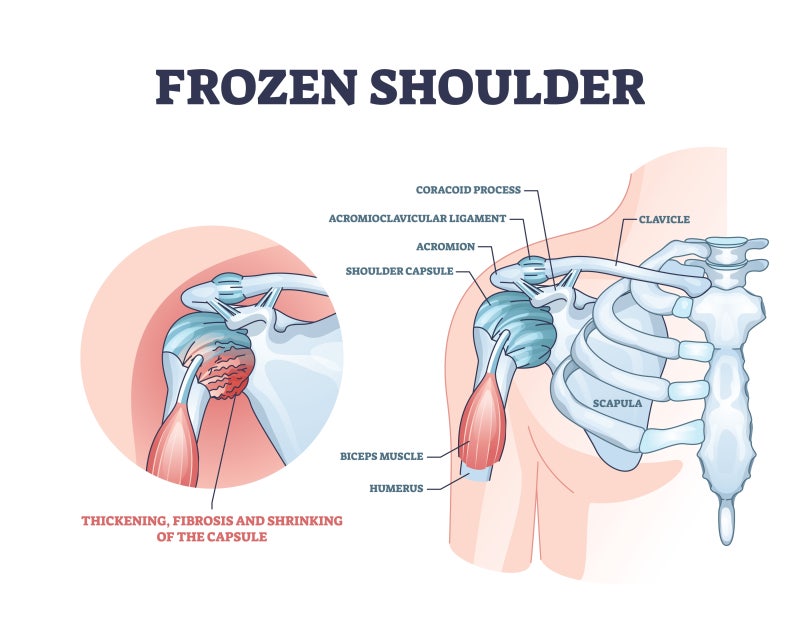
Adhesive capsulitis, commonly known as frozen shoulder, is a condition where the joint capsule stiffens for any reason, preventing free movement of the arm. Inflammation in the deepest layer of the shoulder joint capsule causes tissue fibrosis and adhesions, restricting shoulder movement. Treatment involves anti-inflammatory medication for pain control along with rehabilitation exercise to restore range of motion. When pain is severe and adhesions prevent exercise therapy, injection treatments such as hydrodilatation can temporarily reduce inflammation and expand the adhered joint capsule, restoring some range of motion before rehabilitation therapy begins — resulting in better treatment outcomes. The most important thing for preventing shoulder pain is maintaining proper posture. Regular shoulder and neck stretching to relax muscle tension also helps eliminate potential causes of shoulder pain.