
How should frozen shoulder be treated? Before that, there's one important thing to clarify. You need to determine whether your frozen shoulder is primary or secondary. Primary frozen shoulder develops naturally with aging, while secondary frozen shoulder occurs due to underlying causes such as rotator cuff tears, calcium deposits, or diabetes.

Treatment isn't simply about restoring range of motion and eliminating inflammation — the underlying cause must be properly addressed to prevent recurrence. Some patients research treatments online and request the same treatment others received, but this is not the right approach. The key is receiving treatment tailored to your specific situation, not copying what others have done. Frozen shoulder treatments include medication and physical therapy to reduce inflammation, shockwave therapy, manual therapy, and injection therapy — all non-surgical options that can improve symptoms. For severely adhered shoulder joints, hydrodilatation can expand the narrowed joint capsule and treat inflammation. Subsequent exercise makes it easier to restore range of motion. For primary frozen shoulder, these treatments generally lead to good improvement. For secondary frozen shoulder, the same treatments are supplemented with treatment for the underlying condition.

What role does manual therapy play in frozen shoulder treatment? When frozen shoulder develops, the shoulder's range of motion decreases significantly, and various shoulder functions deteriorate. A physical therapist expands the range of motion, strengthens weakened muscles, and simultaneously conducts rehabilitation exercises to restore shoulder function, effectively improving frozen shoulder symptoms.
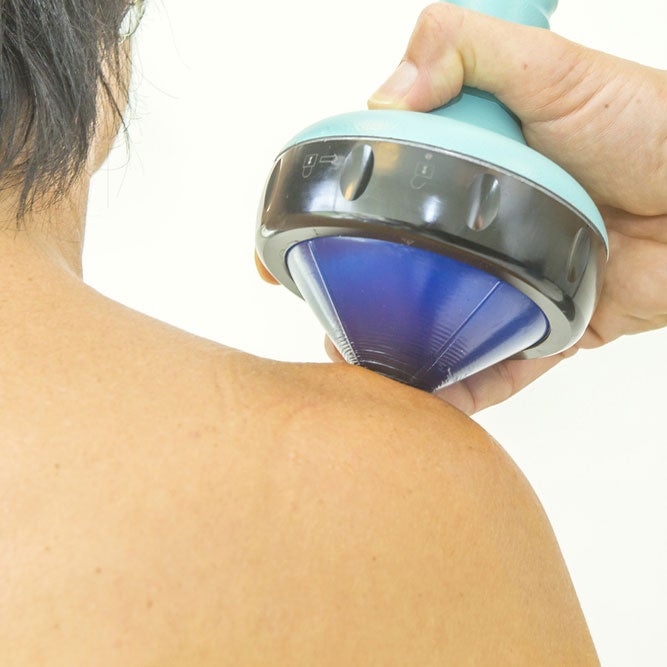
Extracorporeal shockwave therapy in frozen shoulder treatment not only directly stimulates tissue for healing but also enriches blood flow in the surrounding area, enhancing tissue repair and helping patients recover more quickly. Therefore, effective frozen shoulder treatment requires first diagnosing the cause and receiving appropriate treatment, combined with rehabilitation therapy to restore stiffened range of motion and exercises to recover and maintain shoulder function. It's important not just to provide treatment methods but to offer a comprehensive approach including rehabilitation exercises. By tailoring treatment to each individual patient and combining it with rehabilitation exercises to restore lost function, patients with moderate frozen shoulder can achieve a healthy shoulder recovery without recurrence through proper management.