
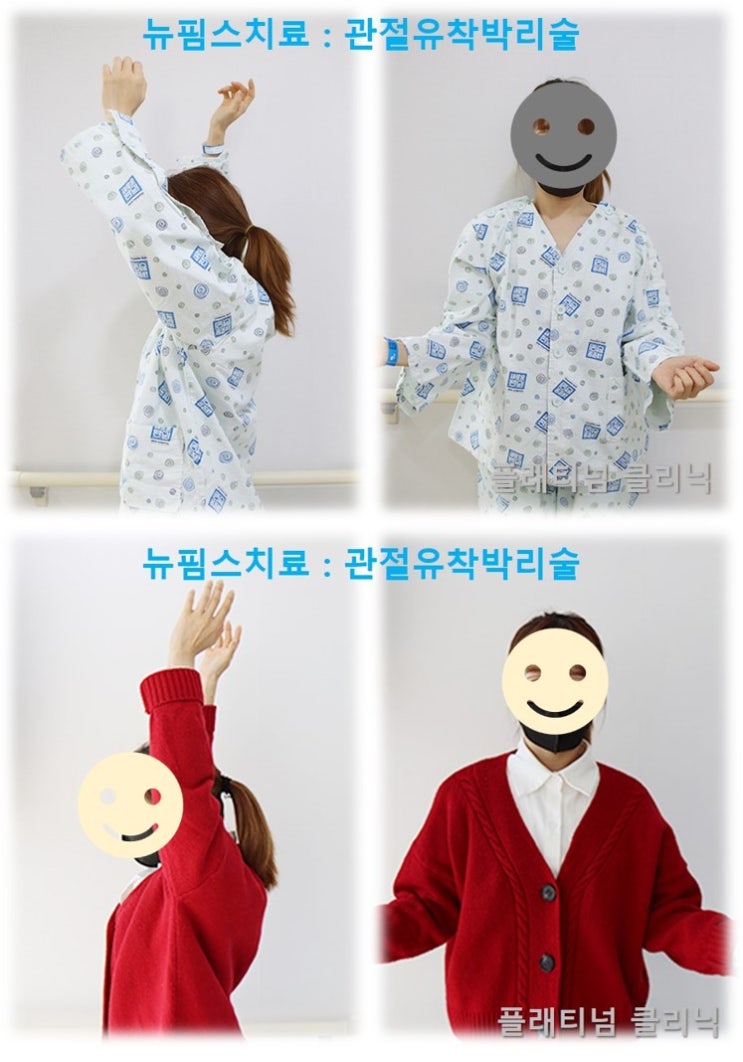
Hello. I'm Dr. Dongkyu Lee, an orthopedic specialist. Many people think frozen shoulder is a condition that resolves on its own. But that's only half true. In simple cases of frozen shoulder, pain typically resolves and range of motion improves after about 2 years. However, research shows that about 50% of these patients develop lasting limited range of motion as a complication. In other words, the pain goes away, but range of motion restrictions remain. Moreover, if the frozen shoulder was caused by underlying conditions such as rotator cuff disease, labral tears, or calcific tendinitis, the condition will temporarily improve only to recur repeatedly, eventually worsening over time if the root cause isn't addressed. I believe frozen shoulder should not be neglected — it's a condition that requires finding and addressing the cause quickly. The patient I'd like to introduce tried to catch a falling object 6 months ago and injured the shoulder in the process. After the injury, limited range of motion and pain developed, and the patient was diagnosed with frozen shoulder at another hospital. Despite receiving over 10 injection treatments, manual therapy, and shockwave treatments, symptoms did not improve, which is why the patient came to see me.
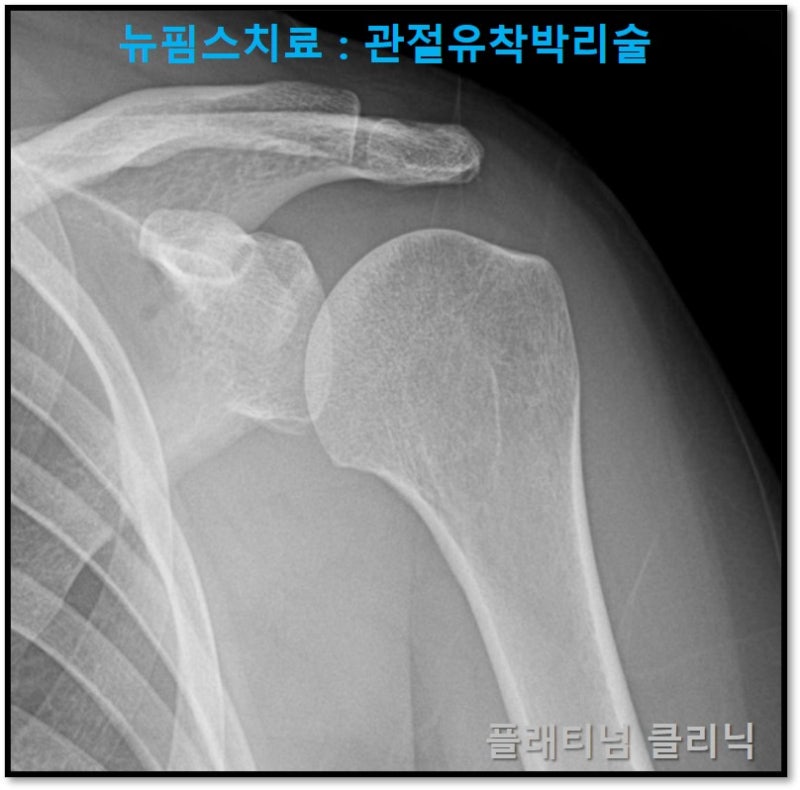
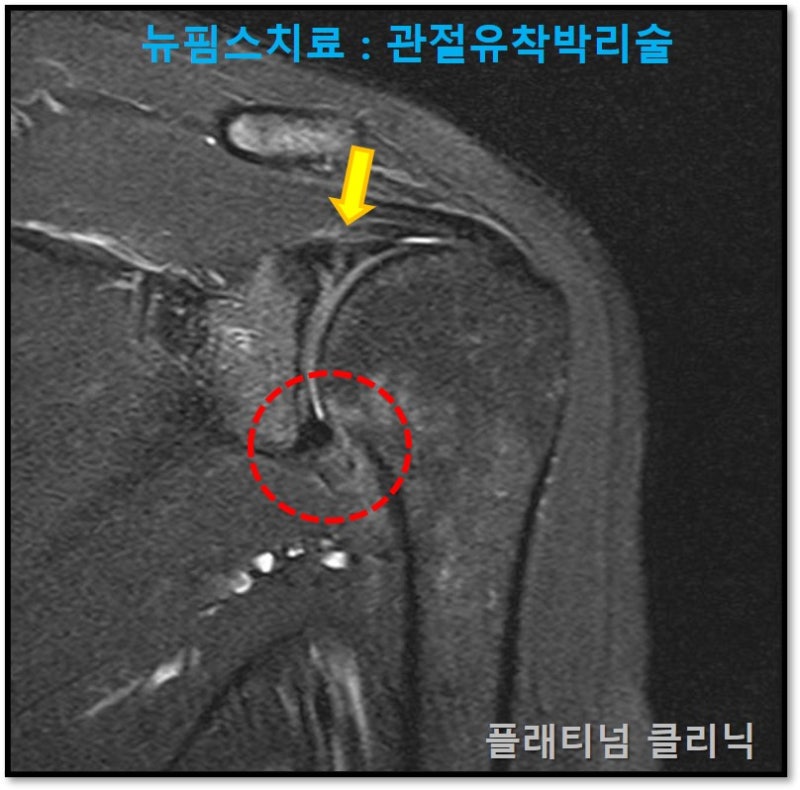
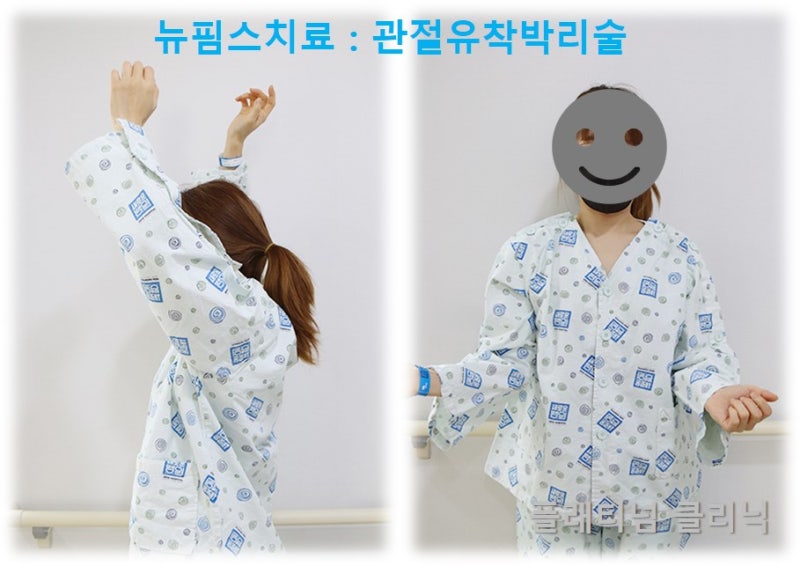
Due to severe pain, significant range of motion limitation, and lack of improvement despite multiple injections and manual therapy, NewPIMS adhesion release treatment was performed.
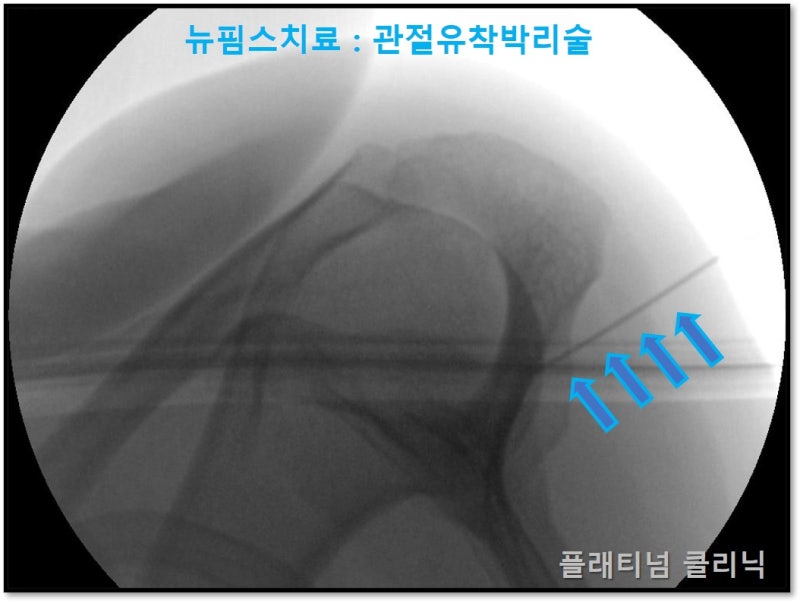
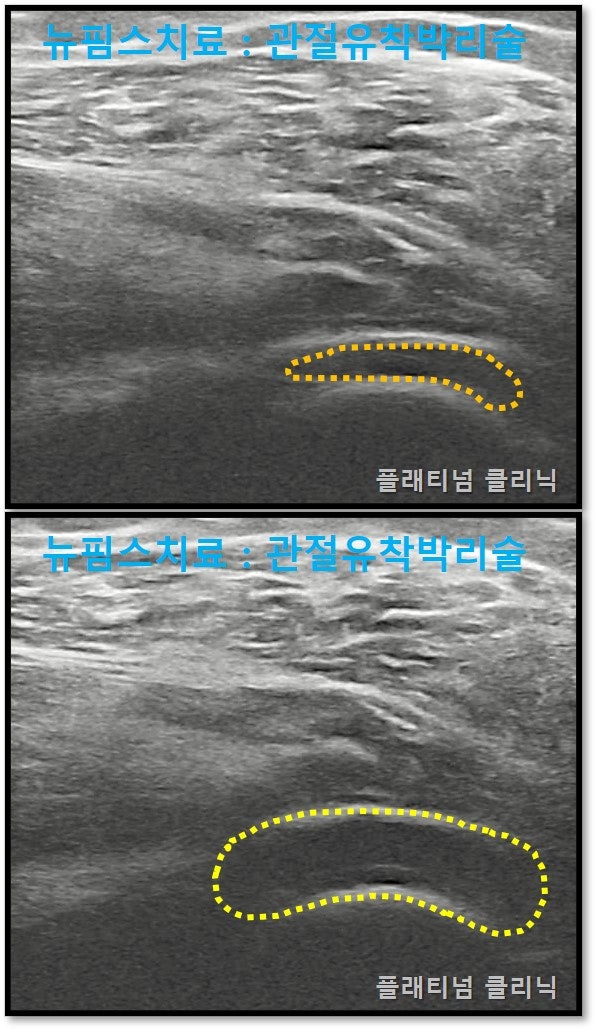
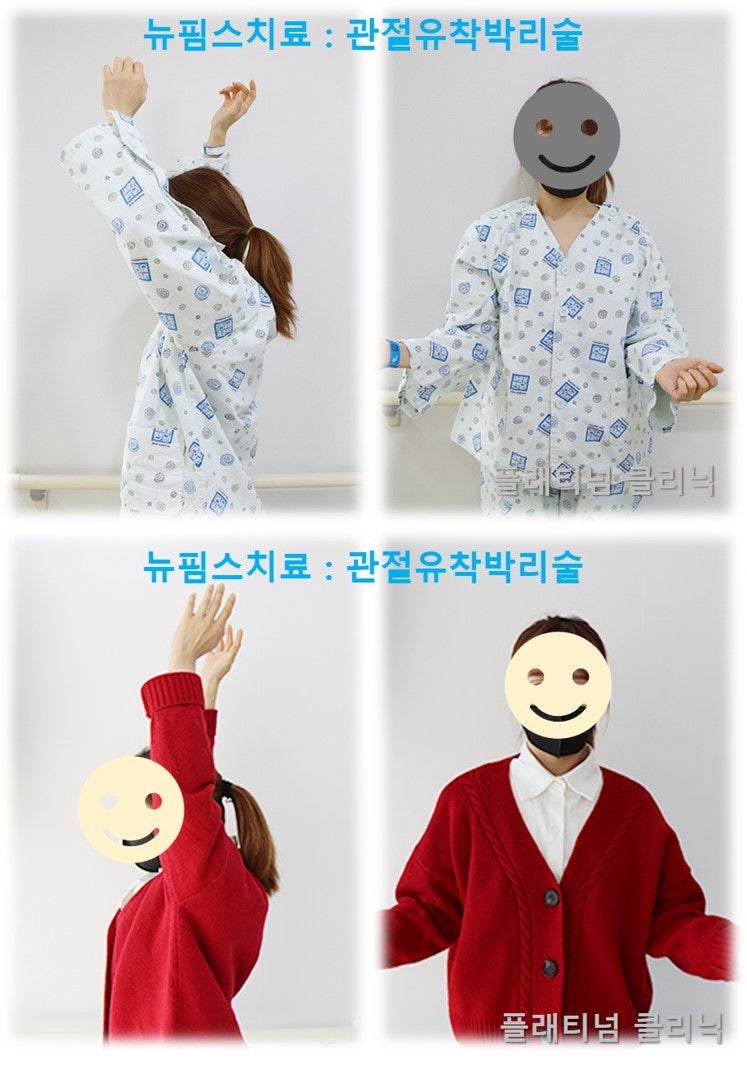
The patient had been struggling greatly because treatment efforts hadn't been working. After the NewPIMS adhesion release treatment, the pain improved and range of motion returned to near-normal, which made the patient very happy. As a follow-up note, this patient was actually referred by another patient who had been treated for calcific tendinitis, and the patient said they were extremely grateful to the person who referred them. Moments like these are what make this work so rewarding.
When patients are pain-free and happy, there is no greater reward.
I hope that patients suffering from shoulder conditions can recover more quickly with the right treatment.