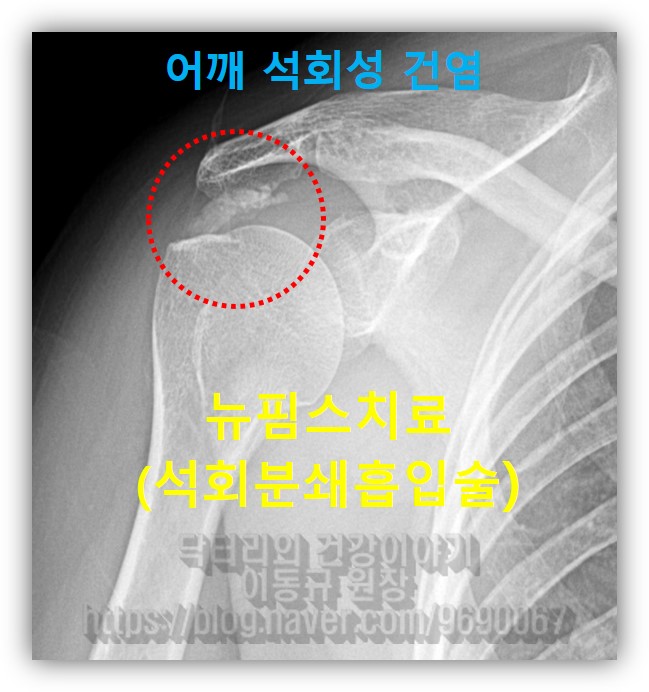
Hello. I'm Dr. Dongkyu Lee, an orthopedic specialist. Many patients come to me after being told at other hospitals that surgery is the only option for their shoulder calcific tendinitis. They tell me they were told: "The calcium deposit is too large — surgery is the only option. There's no other way." But I see things a bit differently. When the calcium deposit is large, the crushing and aspiration procedure is actually easier and more calcium can be removed, resulting in dramatic pain relief for the patient. Let's look at a case with a very large calcium deposit.
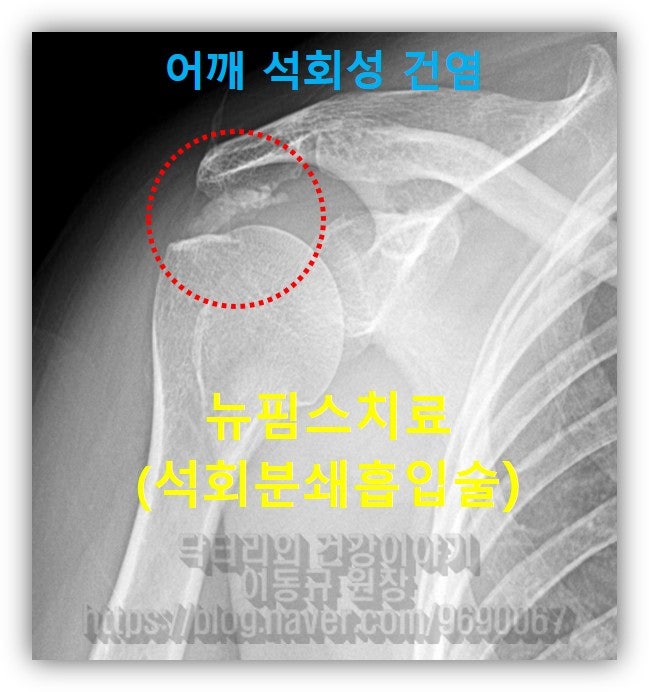
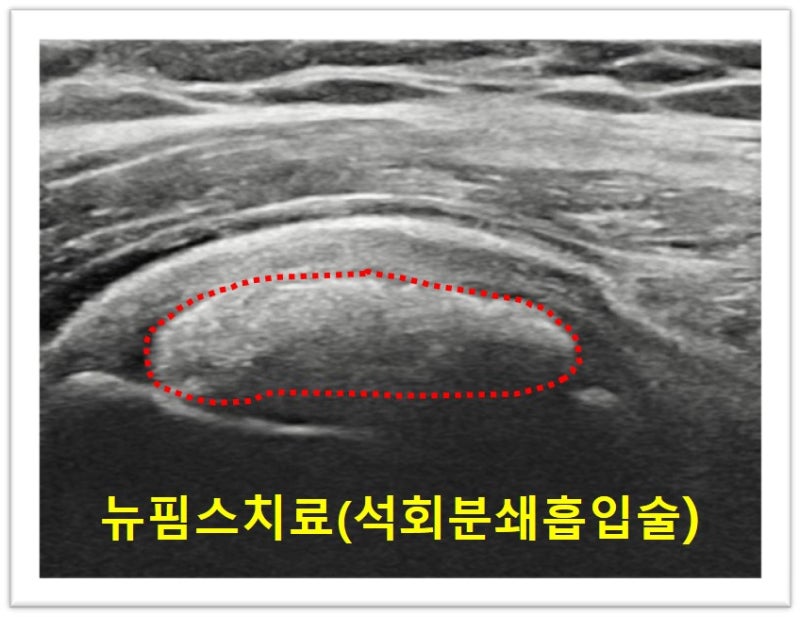
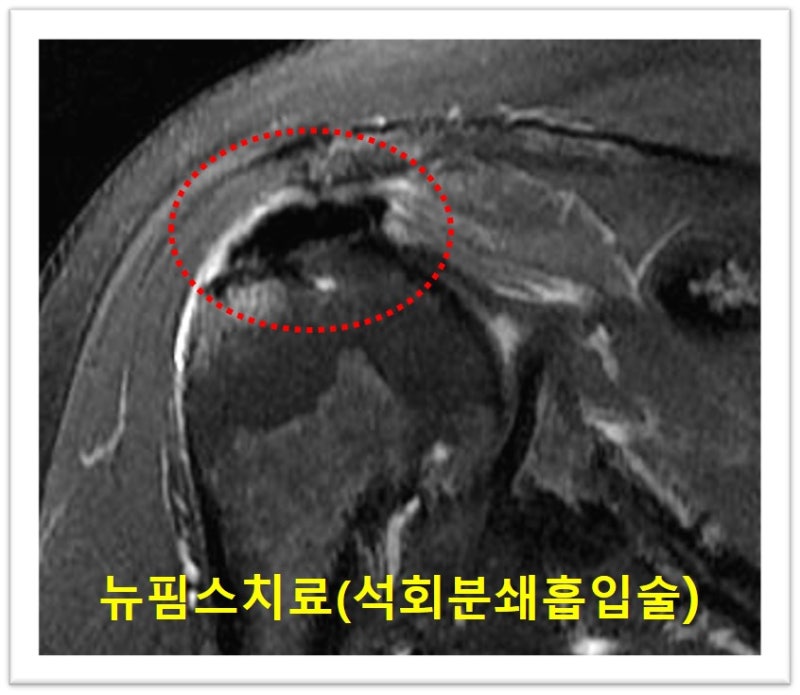
NewPIMS treatment (calcium crushing and aspiration) was performed on this patient.
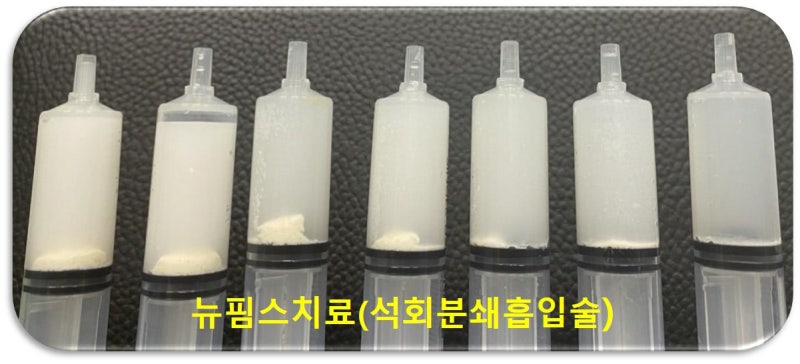
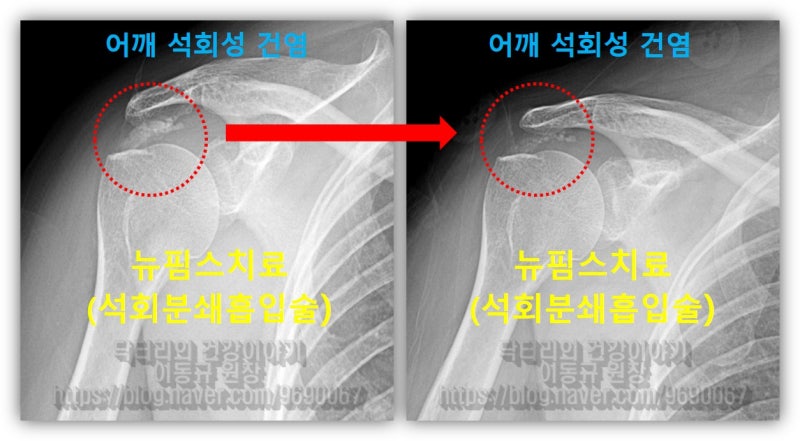
After the NewPIMS treatment, the patient said the pain improved dramatically and was extremely grateful for being treated without surgery. The remaining calcium is expected to be naturally absorbed with additional extracorporeal shockwave therapy. Due to the patient's location, follow-up treatment was arranged at a local hospital. Calcific tendinitis is a condition caused by restricted blood flow that causes extreme pain. However, since it rarely progresses to tendon tears,
Calcific tendinitis is a condition that can be cured simply by removing the calcium.
In the past, when non-surgical options weren't well known, many cases of calcific tendinitis were treated surgically. Even now, many hospitals only offer surgical treatment for calcific tendinitis. Is it because they don't know about calcium crushing and aspiration? Perhaps. I've been performing this treatment for over 10 years — back then, I was one of the first to attempt it. Now many hospitals offer calcium crushing and aspiration. However, some patients come to me after the procedure failed at other hospitals. The crushing technique varies depending on the calcium's characteristics and properties, and there are methods for crushing even very hard calcium deposits. I too went through trial and error, and through thousands of cases, I've learned how to effectively crush and aspirate each type of calcific tendinitis. As with any procedure, extensive experience leads to better outcomes. Without sufficient experience, calcium may not be properly removed, leading to poor results. That's why surgical removal is also a valid option.
However, if it can be treated non-surgically, it would be much better for patients in terms of time, cost, and peace of mind.